Uncategorized

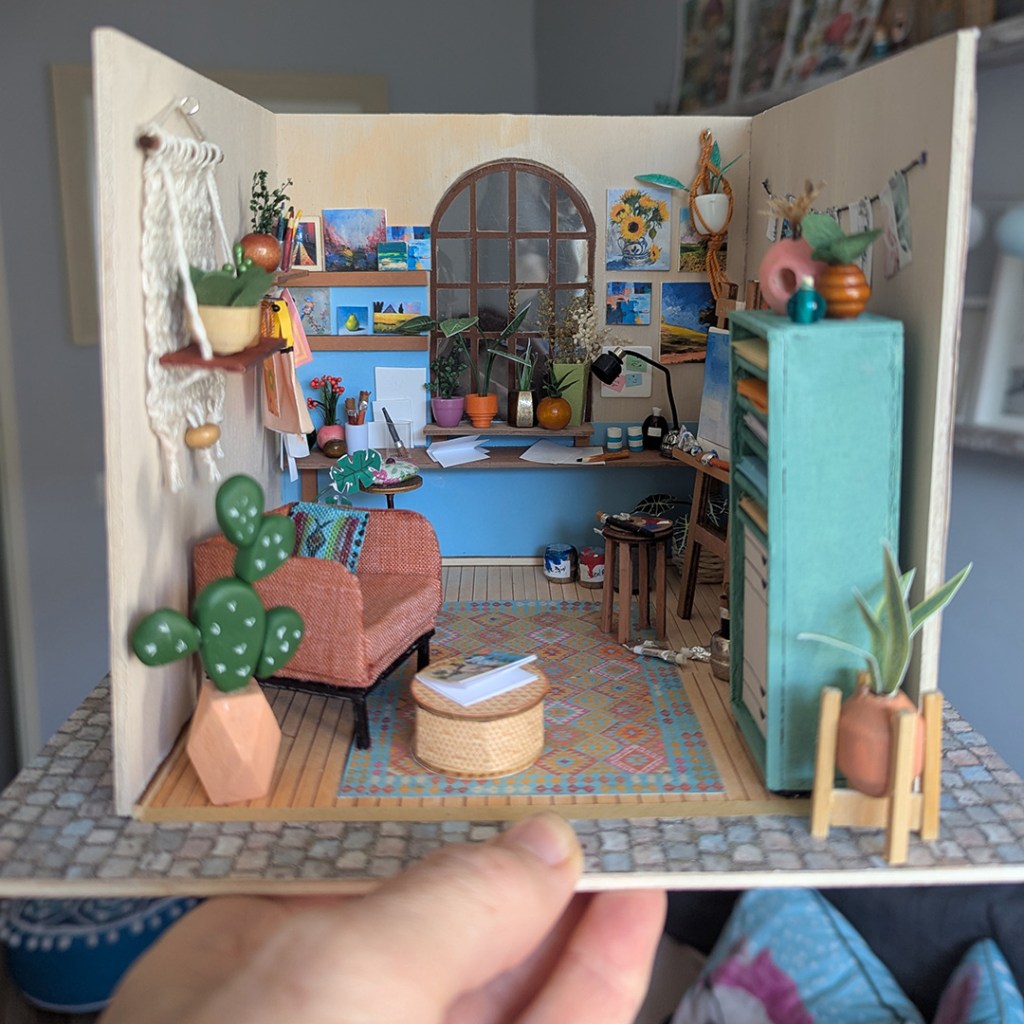
Miniature Bohemian Art room

As a professional hobbyist and crafter, you have every excuse to ‘play’ and call it ‘work’ at the same time. I have build quite a lot of miniature houses the last couple of years, but most of them as craft kits. As a creative person, it is not that satisfying to build another person’s idea or concept. I always find myself changing or bettering existing ideas after I have learned the basics of the craft.

I thrive on creative challenges and problem-solving and like to develop instead of follow instructions. As with every hobby I attempt, it ends up in making my own designs. For now I am absolutely hooked on developing miniatures.

My personal challenge with this Bohemian Art room, was to draw up a visual plan for the room and then to build it as closely as possible with the materials I already had in my studio. The only materials I bought, were wooden board for the walls and furniture and some polymer clay. Some of the materials were leftovers from previous miniature kits. Everything is maybe not as perfect as what I wanted it to be, but I am happy with the result and that I actually achieved my personal goal.

This is how my initial planning looked like. I draw it in Adobe illustrator:
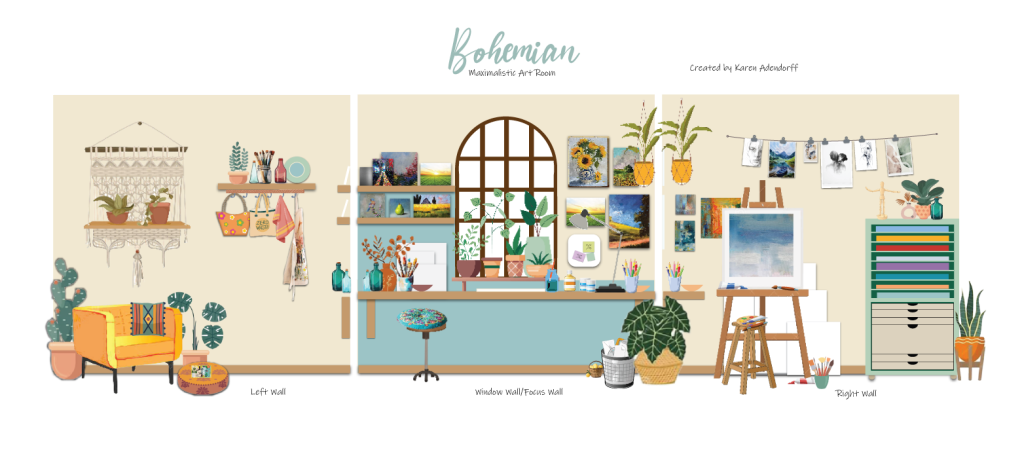
Most of the paintings and the leaves, the carpet, the floors, the bags, cloth, apron, plate, magazine, waste bin and ottoman were designed in illustrator and then printed. Please note that the artwork are images I downloaded from the internet as this project is for personal use and not selling. If I would have sold it, the artwork would have been my own or copyright free.

The left wall:
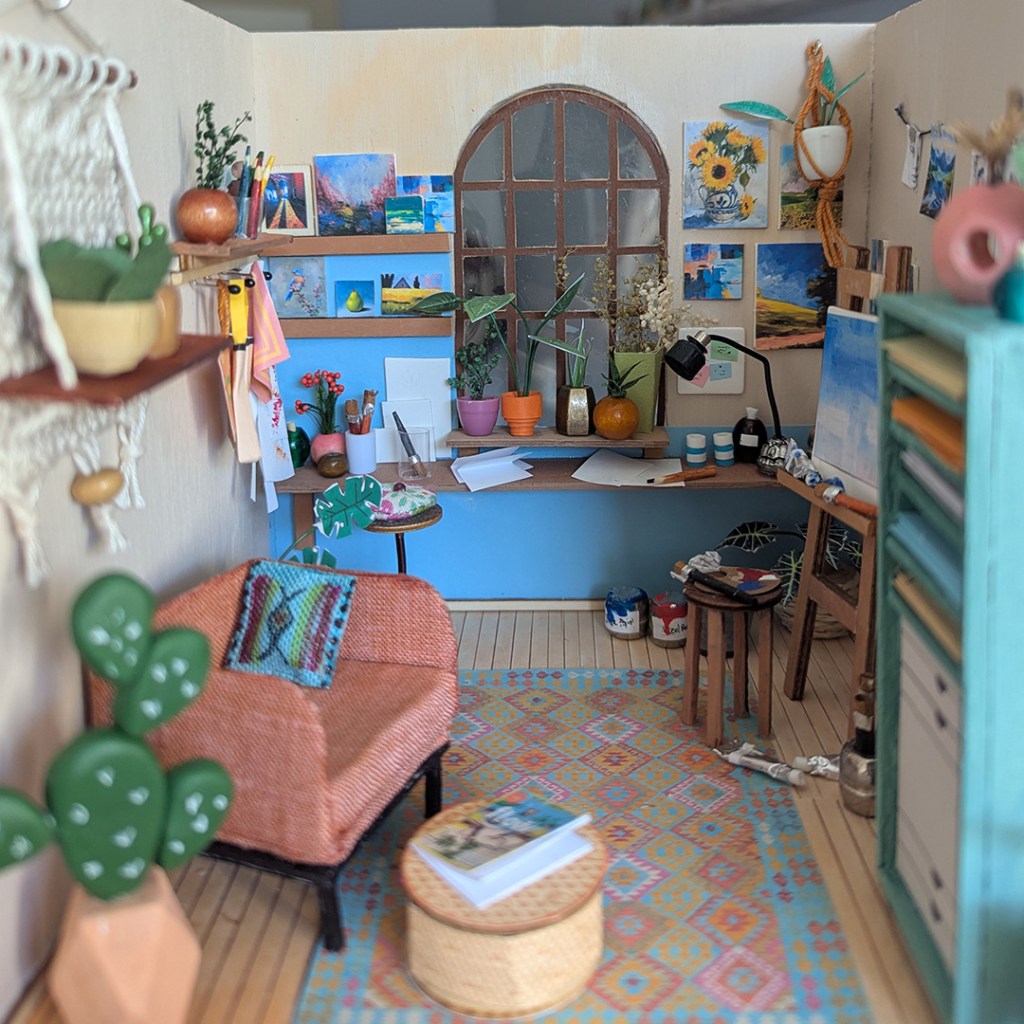
The cactus was done in polymer and all the other plants were paper prints, which I then cut out and glued on florist wire. I have used beads for most of the pots and those sizes I did not have, I have quilled. The chair is done with cardboard and fabric and the macramé is actually crochet that looks like macramé .

Centre:
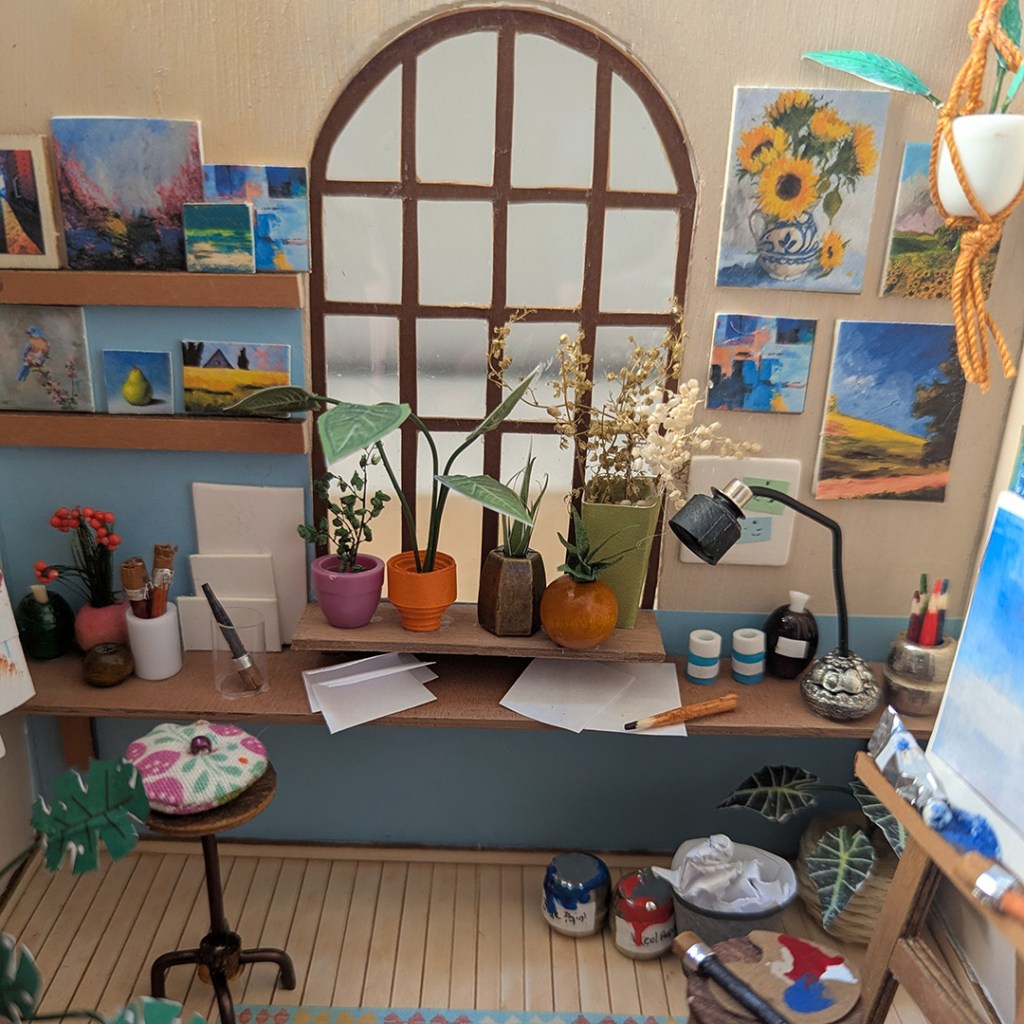
The brushes and pencils are made with wooden toothpicks cut shorter and colored by markers. I have used paper and adhesive foil for the brushes as well. The paint cans are silver beads with foil lids and the foil was also used for the paint tubes. The desk lamp is a combination of beads, black wire and paper quilling for the lampshade. You will notice two small blue paint tubs – these are shrink beads glued together.

Right wall:
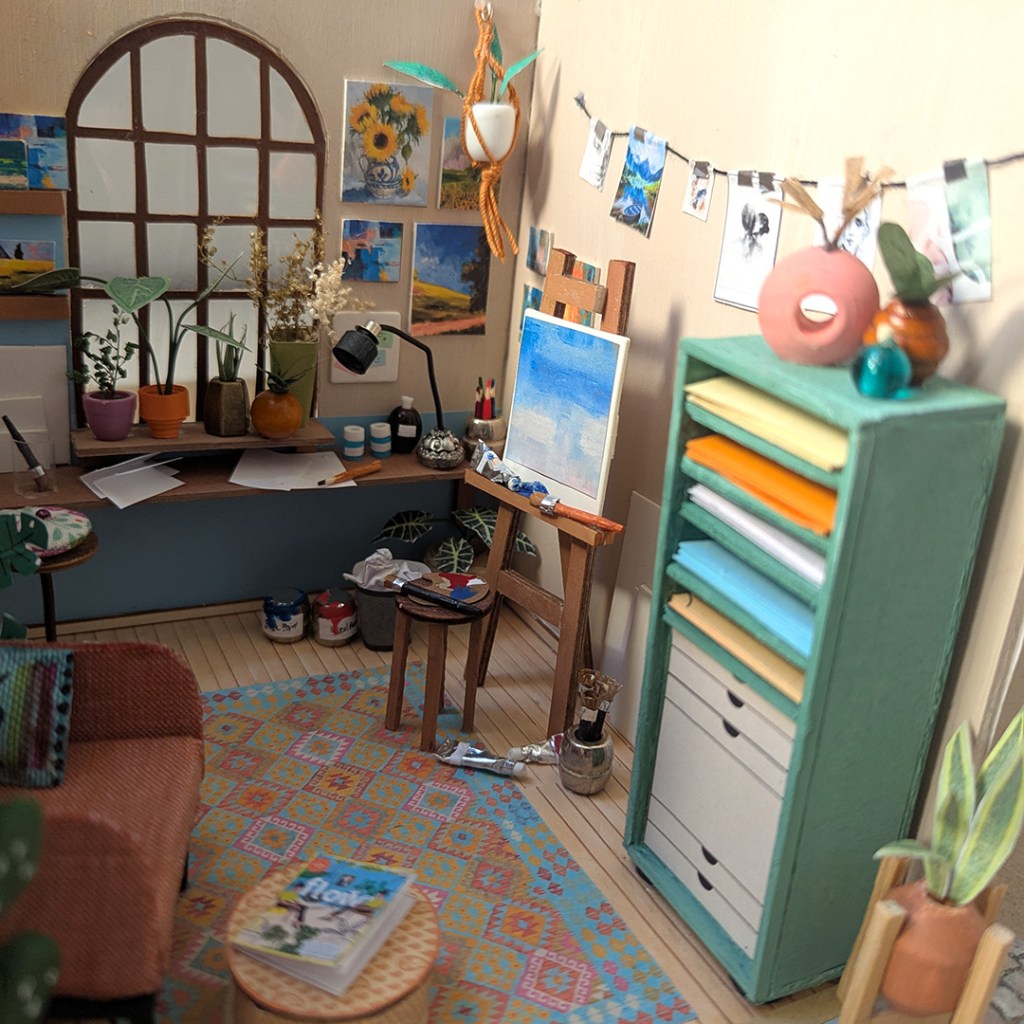
The cabinet is made of wood panels glued together, but the lower part is a printout glued onto the wood to create the drawer effect.

I hope you like it and I am already busy with the next project in a glass dome!

I would like your comments or suggestions on my project and also if you would like to have tutorials and printables for my future projects.

Have a wonderful, crafty week!
Uncategorized

To the Cheese market

During every Spring and Summer season, Alkmaar is hosting the weekly cheese market on Fridays from 10:00 to 13:00 on Waagplein. This market is believed to be the most popular cheese market in the world and attracts thousands of visitors each year. It is more than 400 years old and houses around Waagplein has been demolished to increase the size of the plein. Although cheese are not traded in the same manner today, this beautiful tradition gives an insight on how cheese were carried, evaluated, weighed and sold back in the 16th century. As a newcomer into the Netherlands, you first visit all the touristic attractions and then it become the ‘normal’. For me the cheese market will always be special as it was one of the first trips I did with my children when we arrived in the Netherlands. I still enjoy the spectacle and it is also a first on the agenda when family or friends come to visit. It is a wonderful relaxed event where you can soak up the summer sun, enjoy the beautiful city of Alkmaar and taste the local delights and cheeses of the region. There are quite a lot to do and see in Alkmaar, like the cheese museum or a boat trip on the canal.

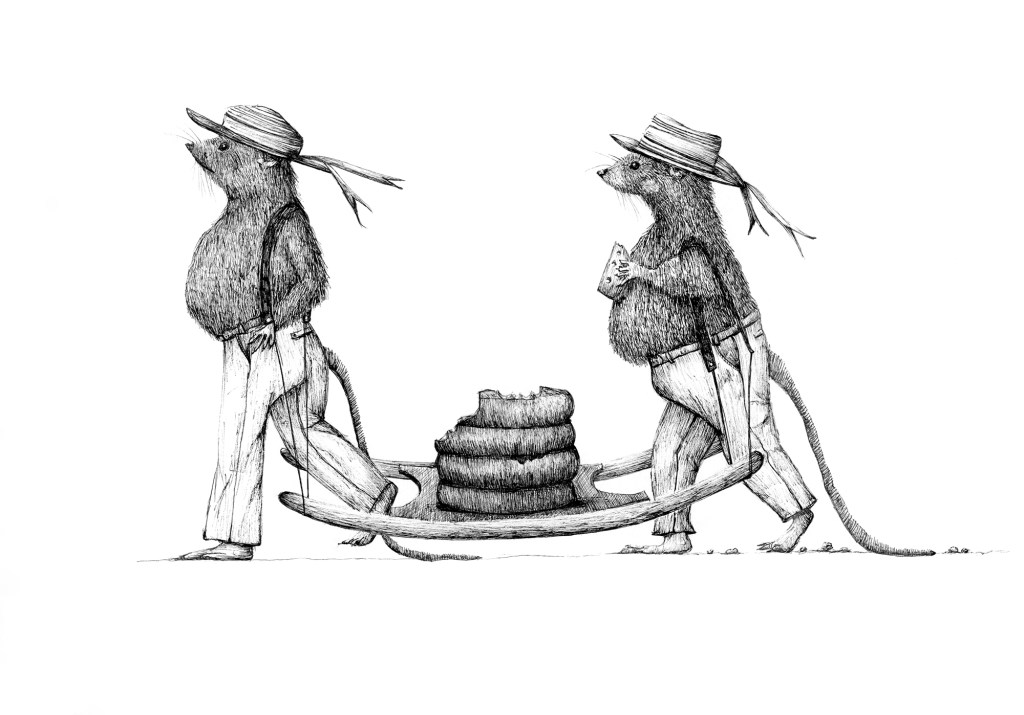
The event shows a typical day in the the selling and buying of cheese. The fist thing you will notice are the cheese carriers or Kaasdragers with the different colour straw hats, who are accompanied by the Cheese Father. They have different tasks: You have the Tasman, who is responsible for placing the weights onto the cheese scales, the Zetter who is responsible for taking the cheese from storage to the market, the Ingooier who takes the cheese from the market to storage at the end of the day, the Bootelier who is responsible for getting drinks after the market is over, and the Voorman who is the head and often the oldest member of the company.

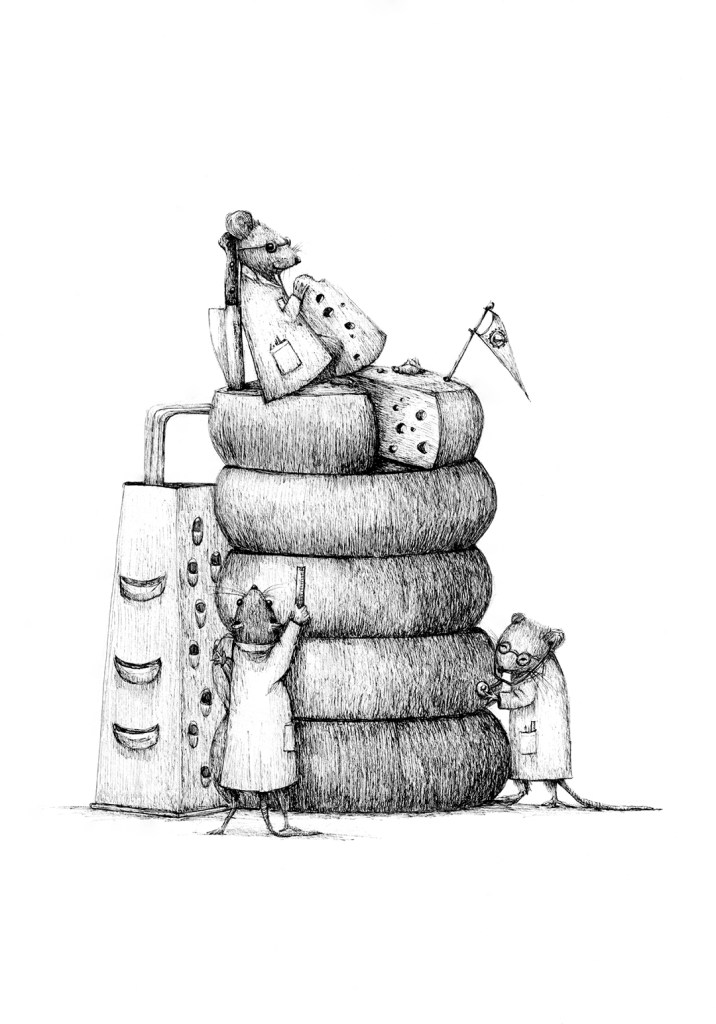
After the market opens, testers in white lab coats, use a special scoop to take sample cheese from the cheese wheel in terms of feel, smell, and taste. They also make sure the cheese have enough holes or eyes. After a batch is sold it is carried by two men on a wooden barrow to the scales to be weighed. These cheeses can weigh up to 120 kg and the men walk in a specific rhythm in order to carry the weight more easily. The Tasman weighs it in front of the ‘Waagmeester’ to ensure the buyer gets the right amount of cheese. The unsold cheese are carried back to storage.

You can find more interesting facts on https://fullsuitcase.com/alkmaar-cheese-market/

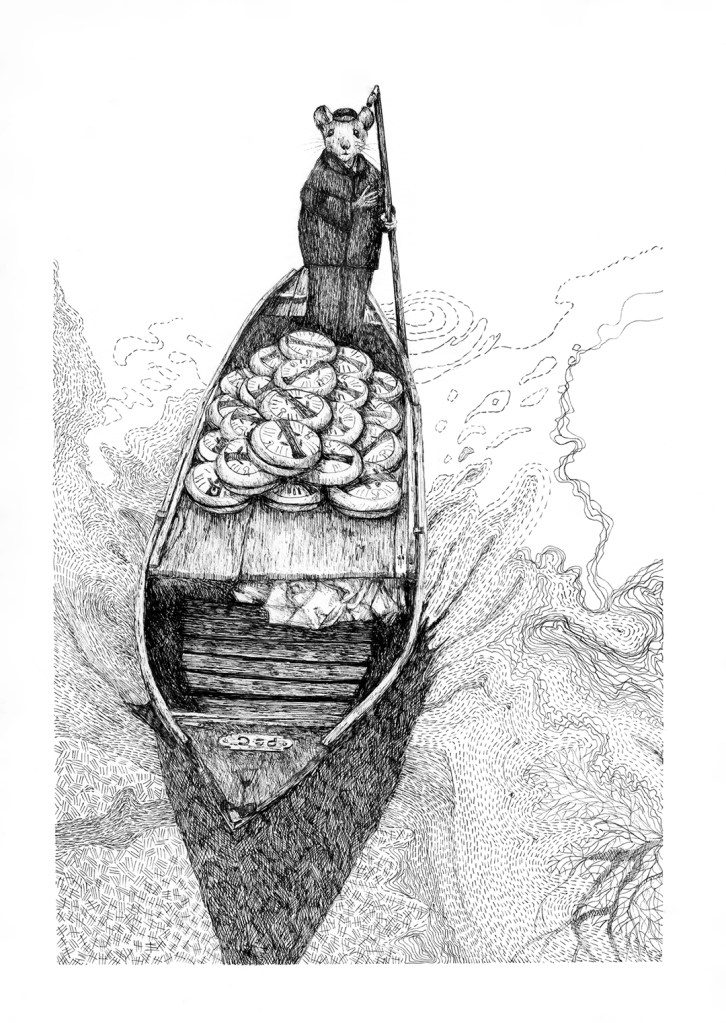
As an artist, you sometimes struggle to find the right ‘material’ or inspiration to work from, but I feel that portraying my everyday life or a peek of my life in The Netherlands, might be interesting to another person not knowing the country and its traditions. My trademark are also my storybook animals and thus combining the two will give my everyday story ‘another’ story’. I thought that this might lead to a series of illustrations depicting an event on another level.

Thus the first illustration shows how the cheese were transported to the markets back in the days. Because The Netherlands have so many water canals that link cities and towns, boats were the obvious choice of transportation. Every Friday morning the cheese famers with their boats, carrying the precious golden cargo, are off to the cheese market in Alkmaar. I usually do my drawings with 0.03 Unipin markers onto 200 gsm Fabriano paper. I have used some line patterns in order to illustrate the movement of the water instead of just ‘shading’ or hatching.

Thus the starting point of my cheese story…

Cheese inspection

the Cheese carriers

Uncategorized

Some inking ‘no-life’ art

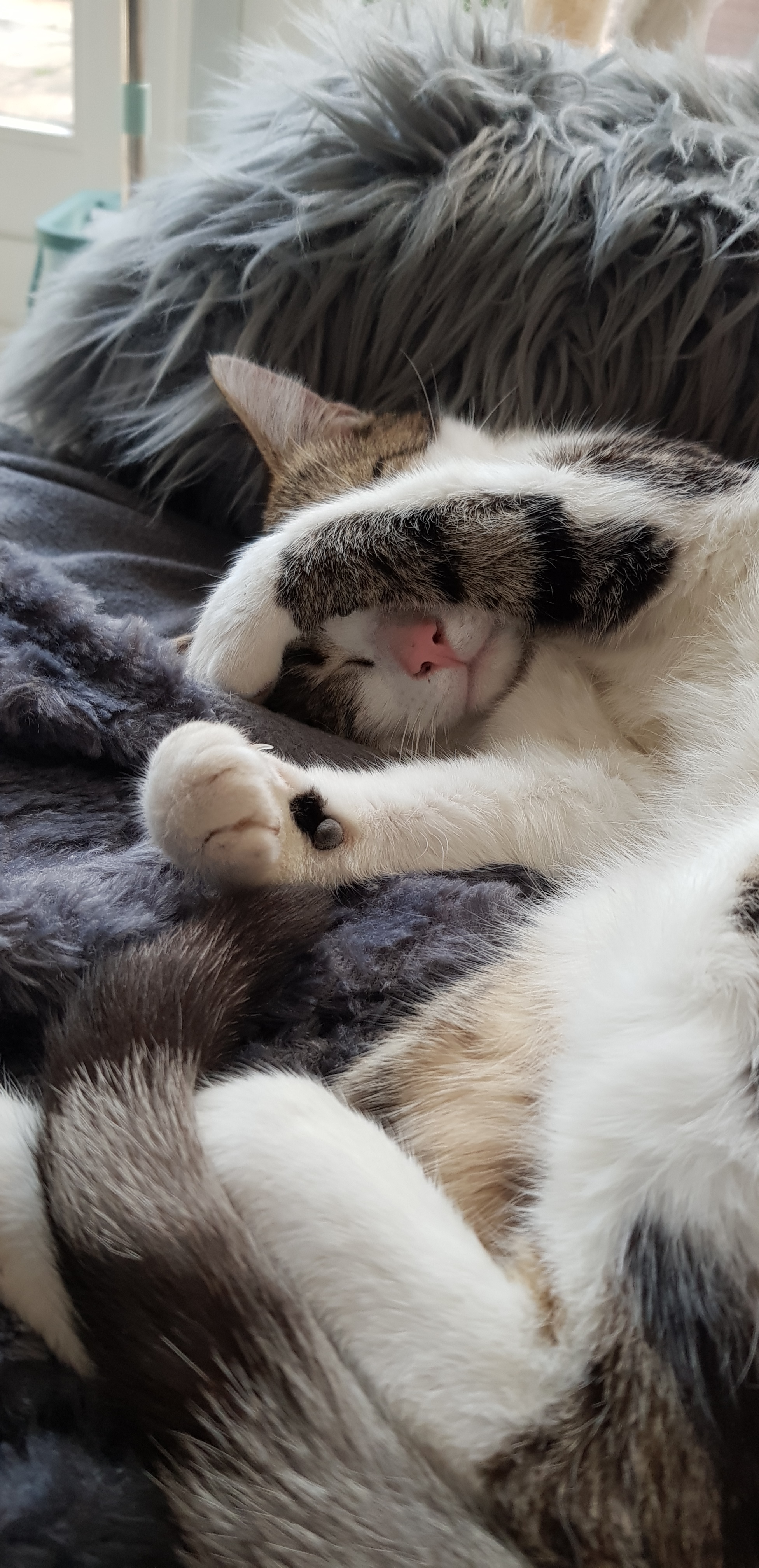
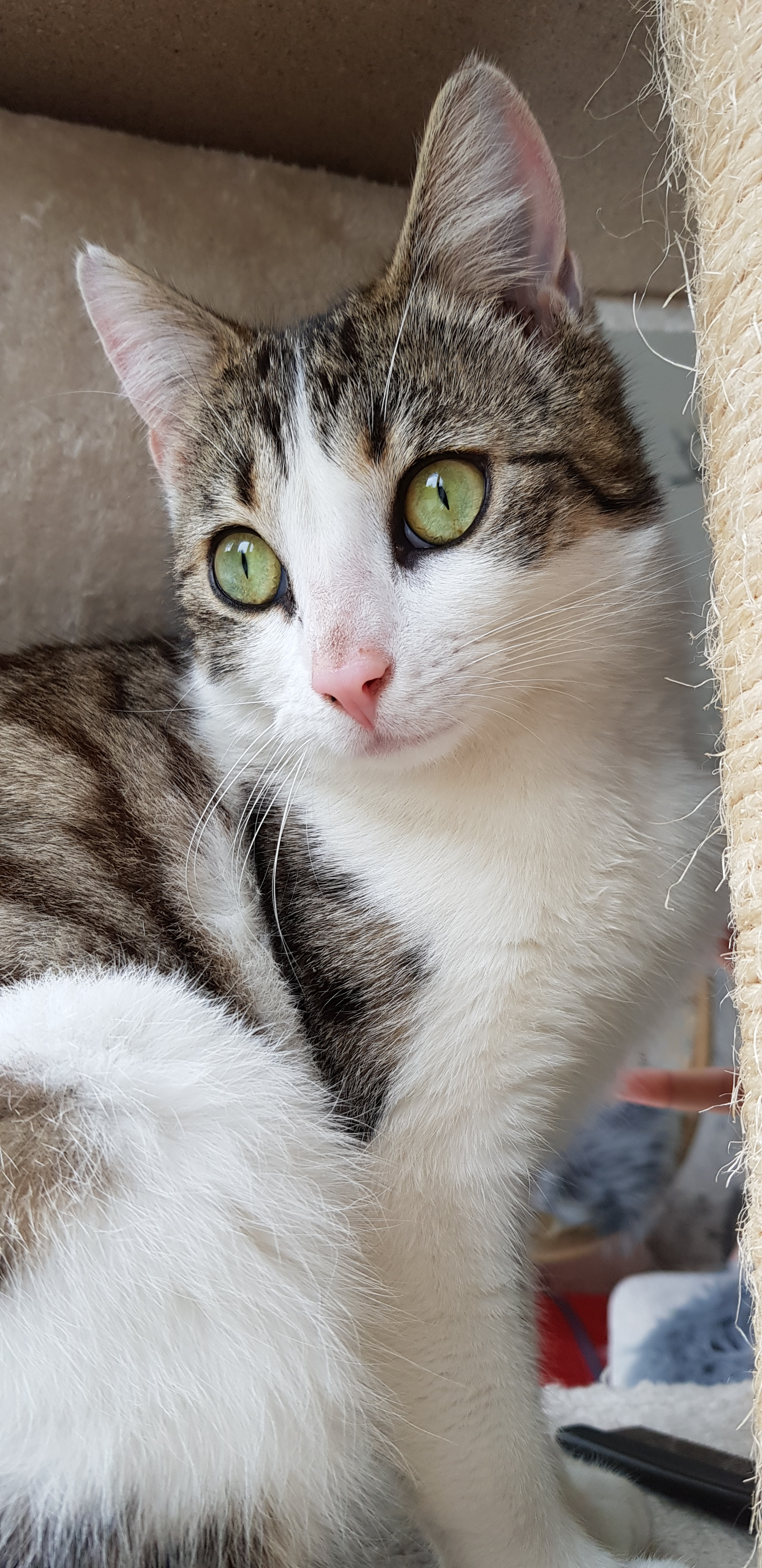
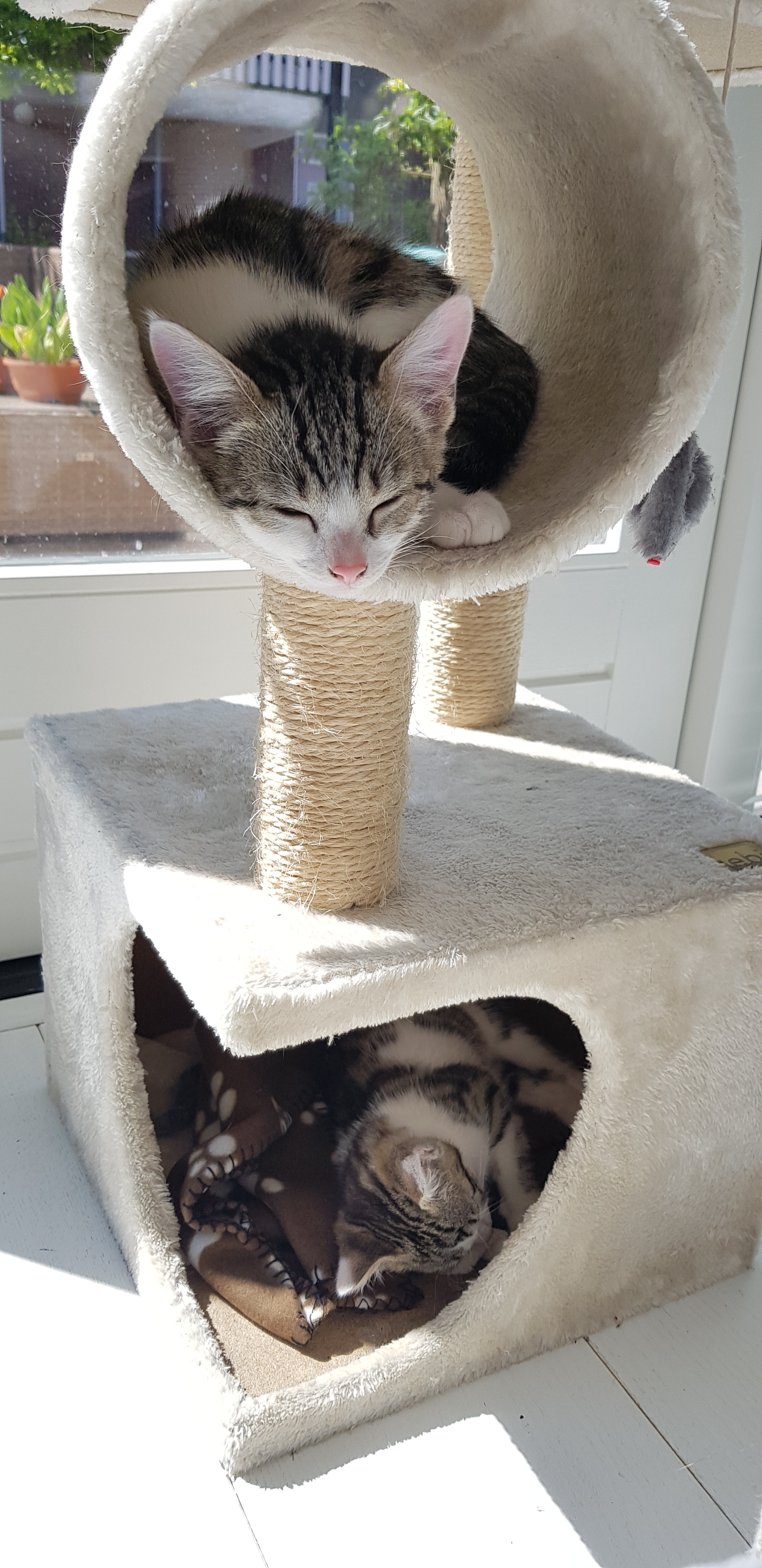
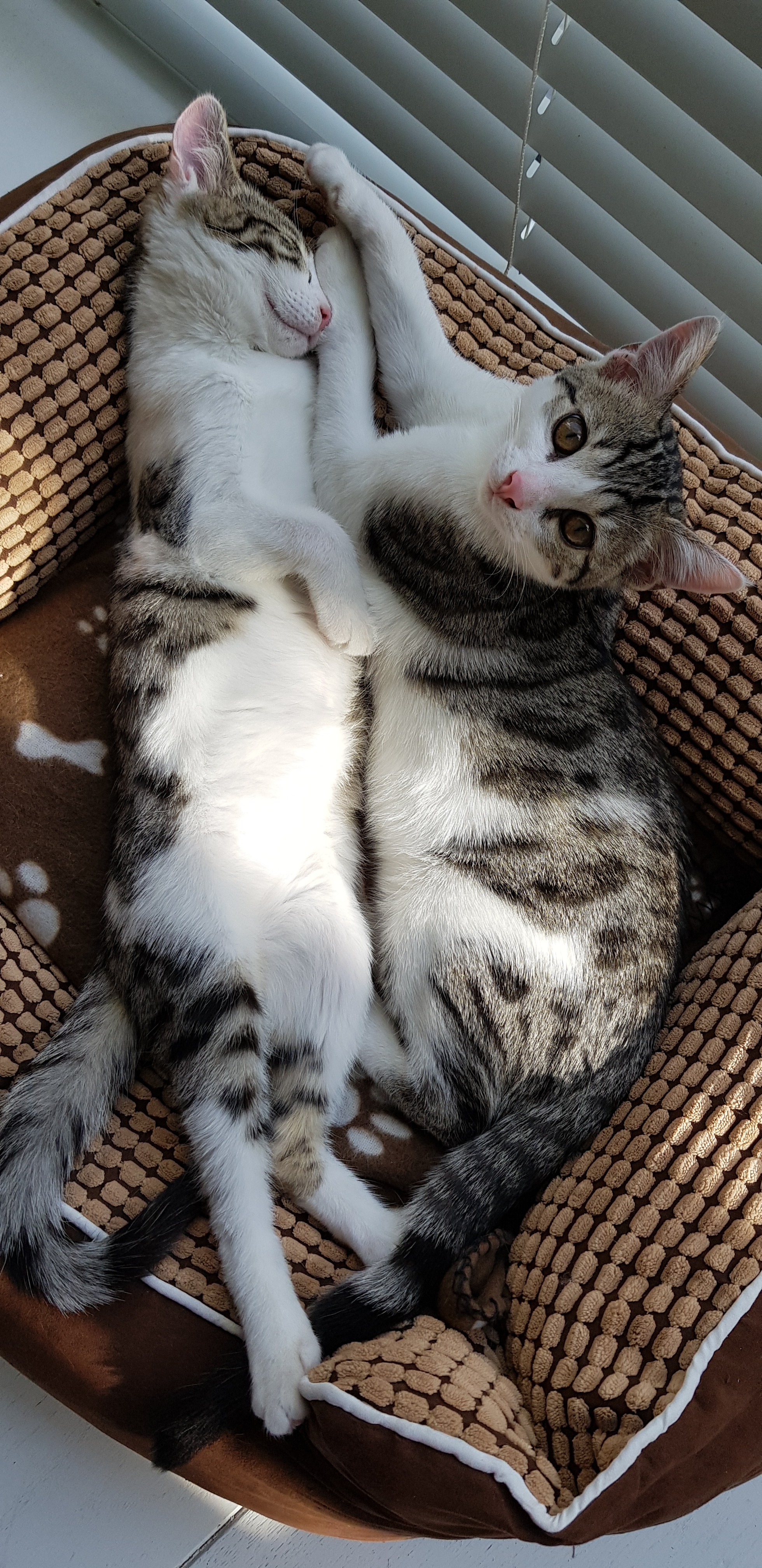
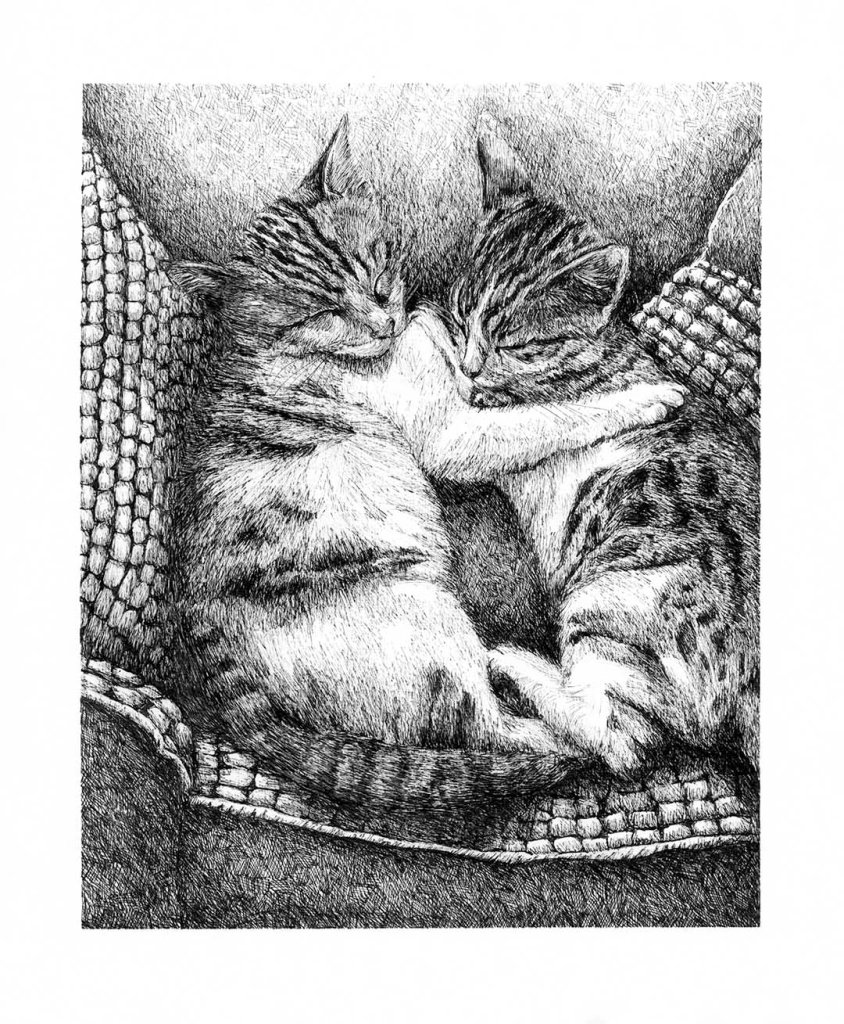
Inktober 52 had a prompt no. 26, called ‘Cuddle’ and I immediately saw a picture of my two cats, cuddling each other. They are sisters that groom each other, sleep together, play together and even give each other space to finish their food. I had so many lovely pictures of these two cuties:

I took up the challenge although I knew that this inking process will take a lot of time and ink to complete. For years I struggled to make peace with the fact that I get caught up in detail. I have tried many courses to loosen up my style, but with no success. My children (teenagers) call my art style ‘no-life’ art, because of the hours that go into it due to the detail or shading. But lately, I have decided that by embracing it and not working against it, my art is better than before and the method of repetition of the detail is extremely relaxing. The art making process becomes a meditation process. By working against my natural tendency towards detail and realism, art creates stress and deprives me of the joy it should give in the first place.

I usually work with A4 200 gsm Fabriano paper and a 0.03 Unipin Fineliner. I have a series of Unipins with worn tips at different degrees. The worn tips give me more options to work towards lighter shading without harsh marks.

This challenge was a first in a long time where I focused on detail like the fur of the cats and the patterns. I loved the process and I think the love for my two cats showed in the final artwork. Inktober also listed it as their favorite on Instagram.

Uncategorized

The Dutch Kremlin

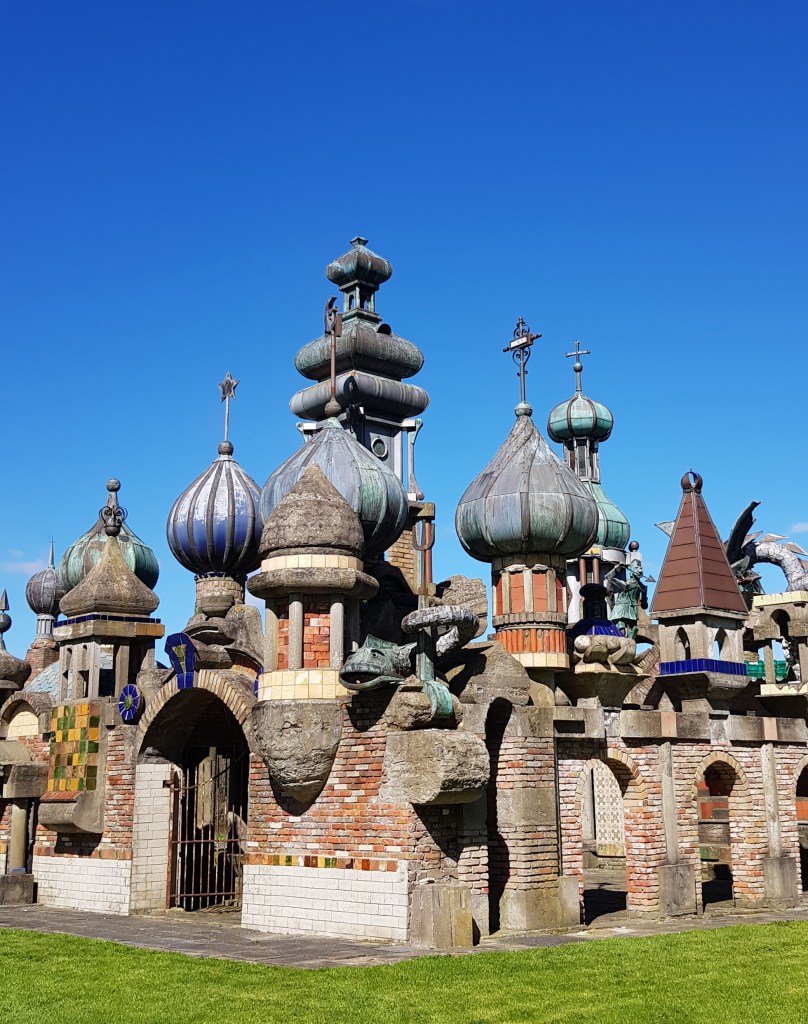
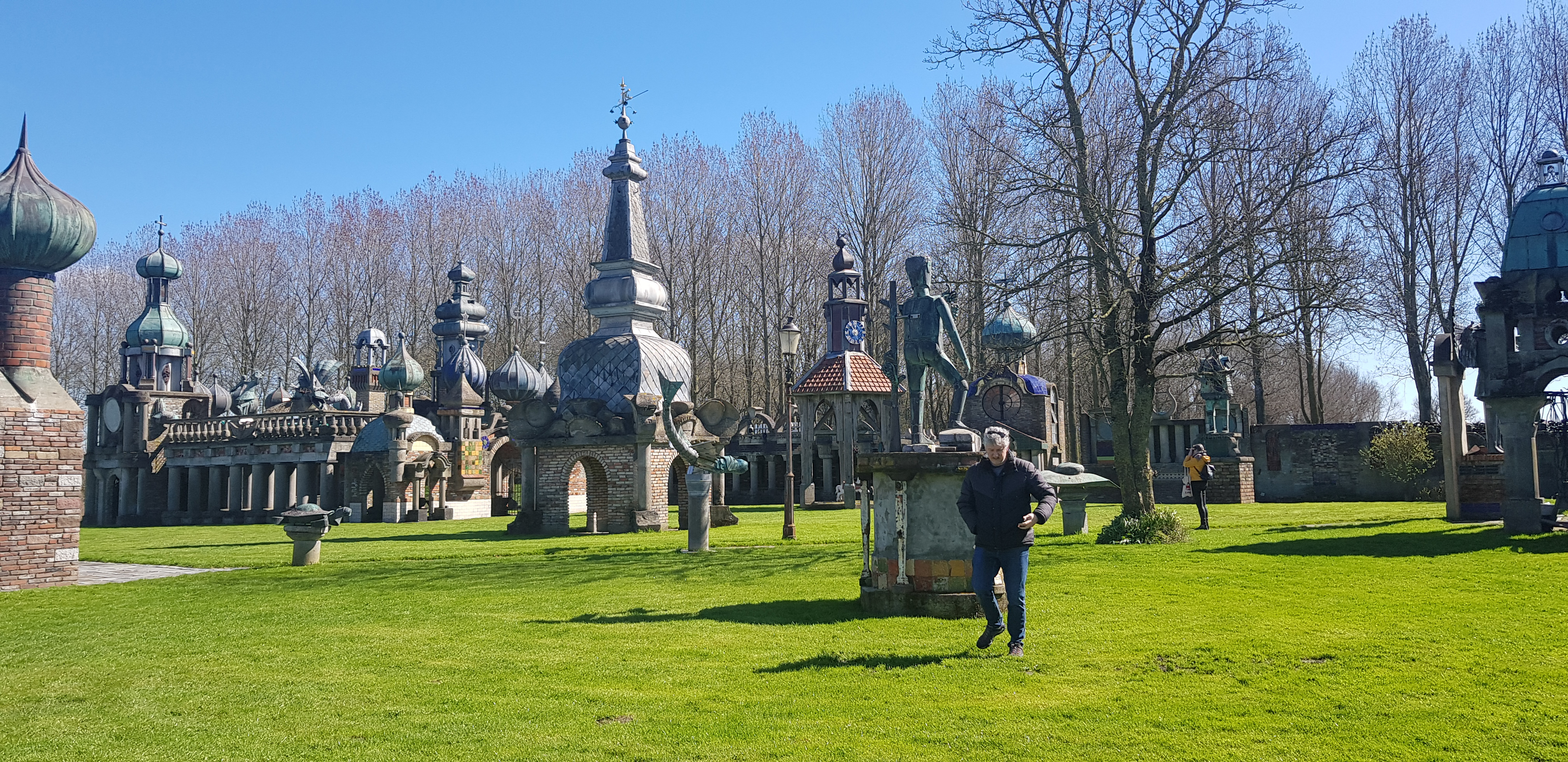
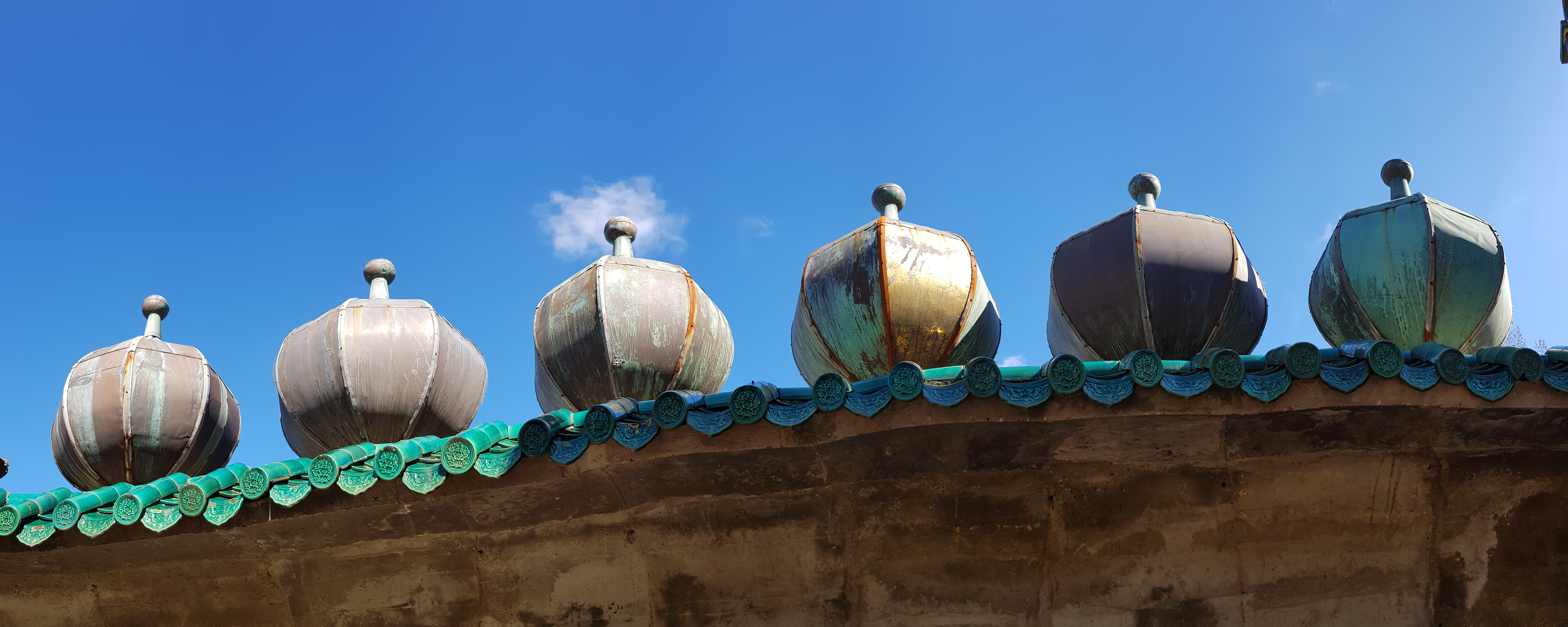
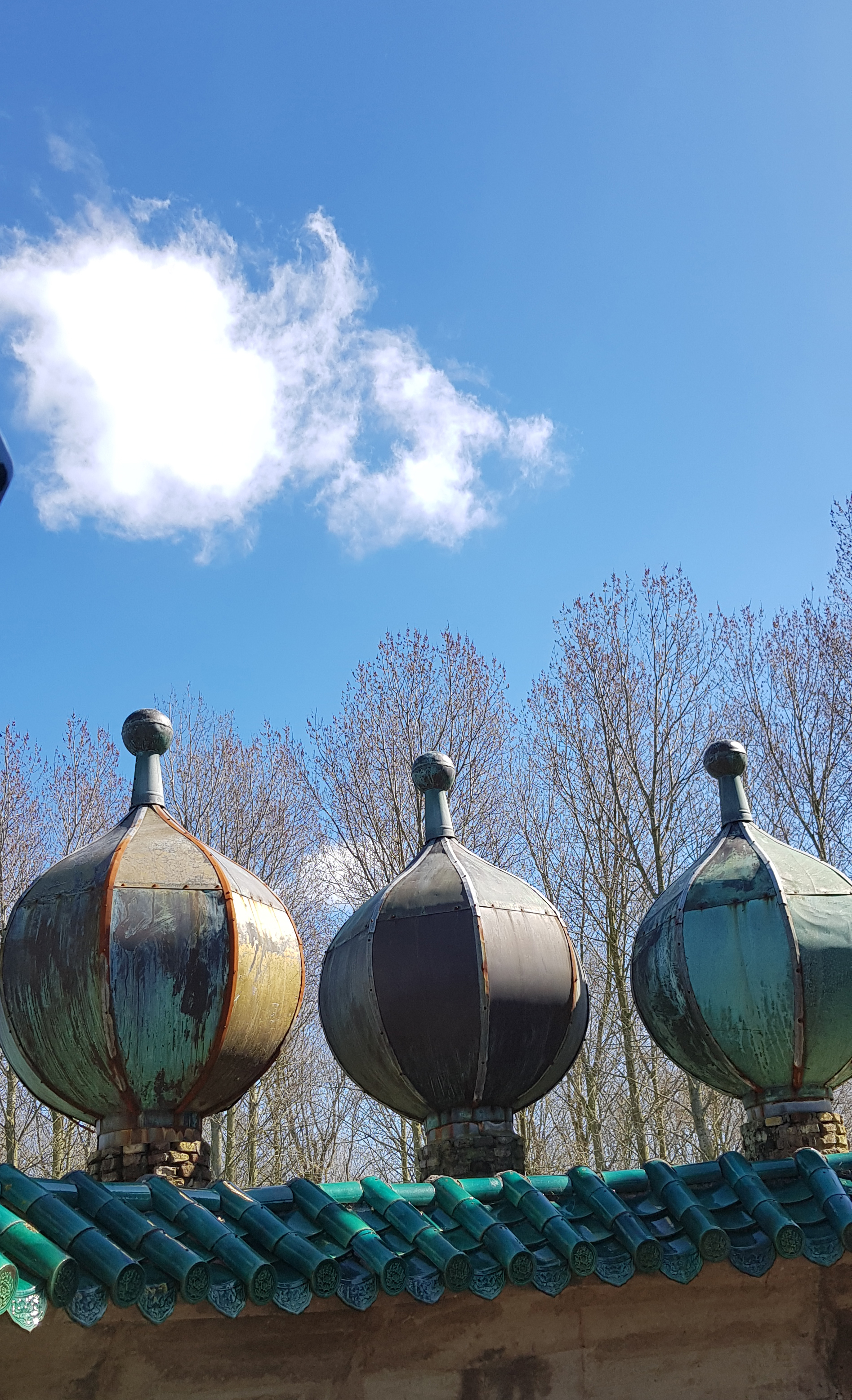
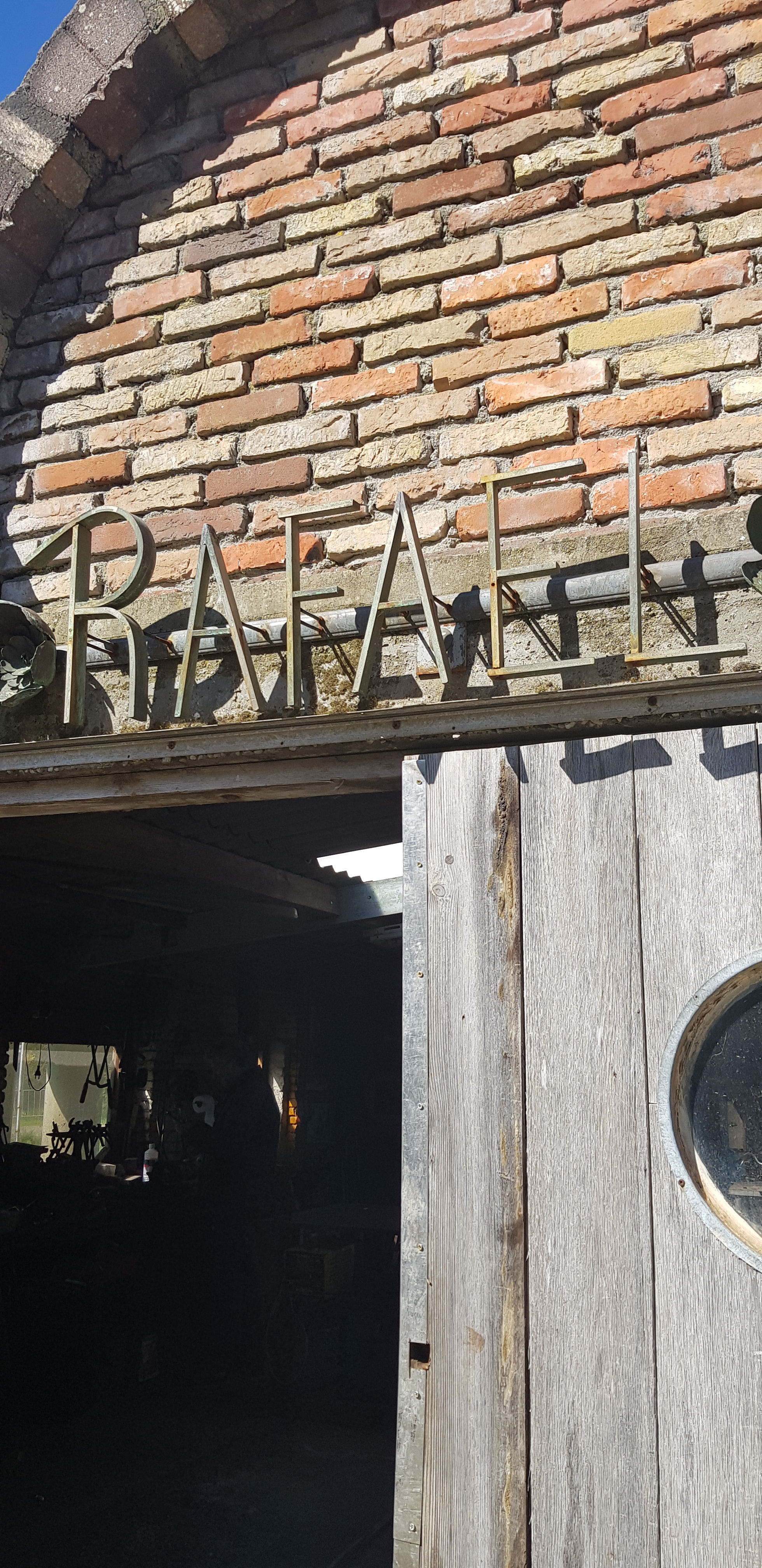
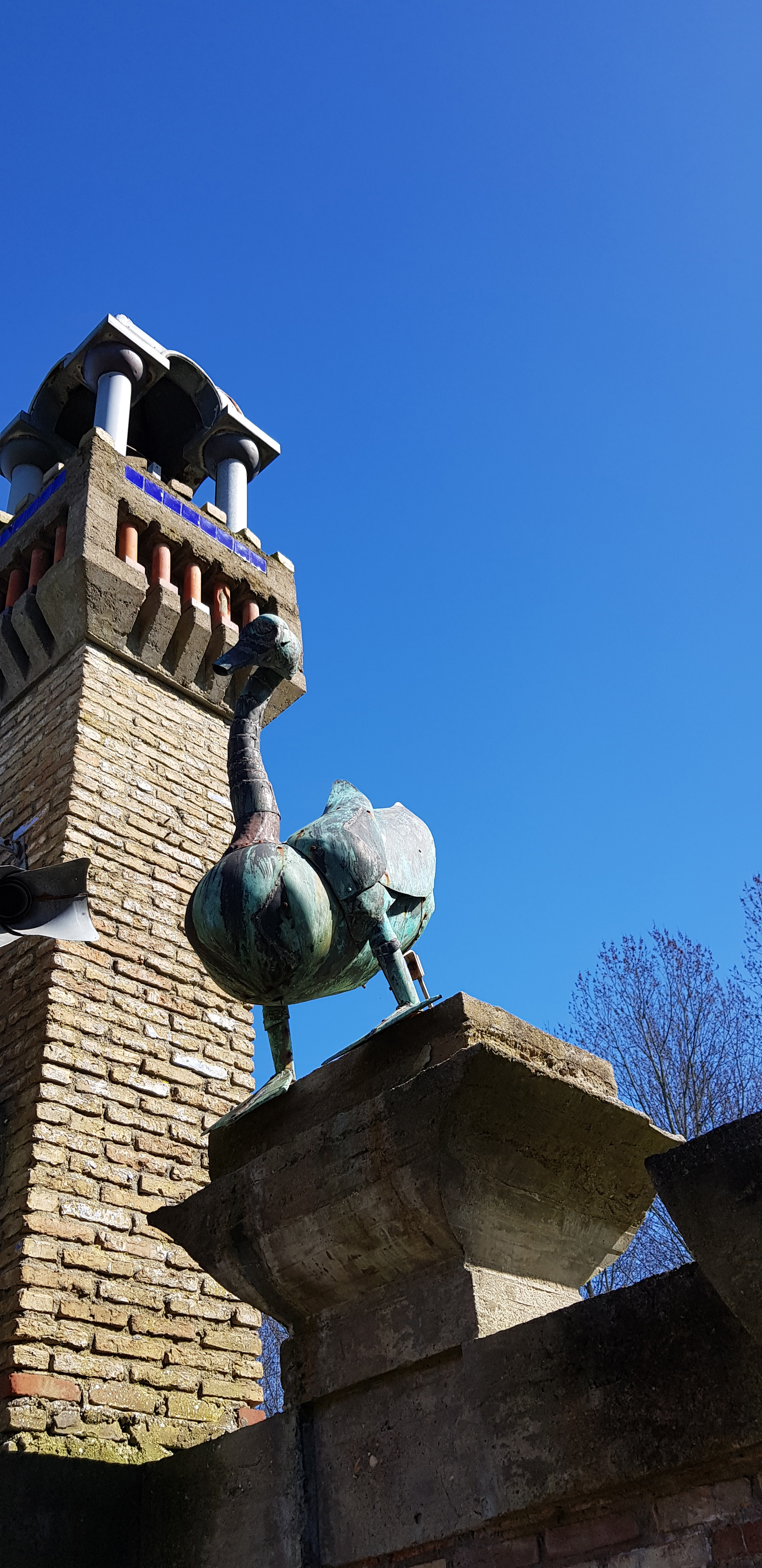
Just outside a small town in North Holland, called Winkel, you will find a ‘hutspot’ of architectural and creative wonder. From the N242 you have a glimpse of the Kremlin towers of a secret fantasy world.

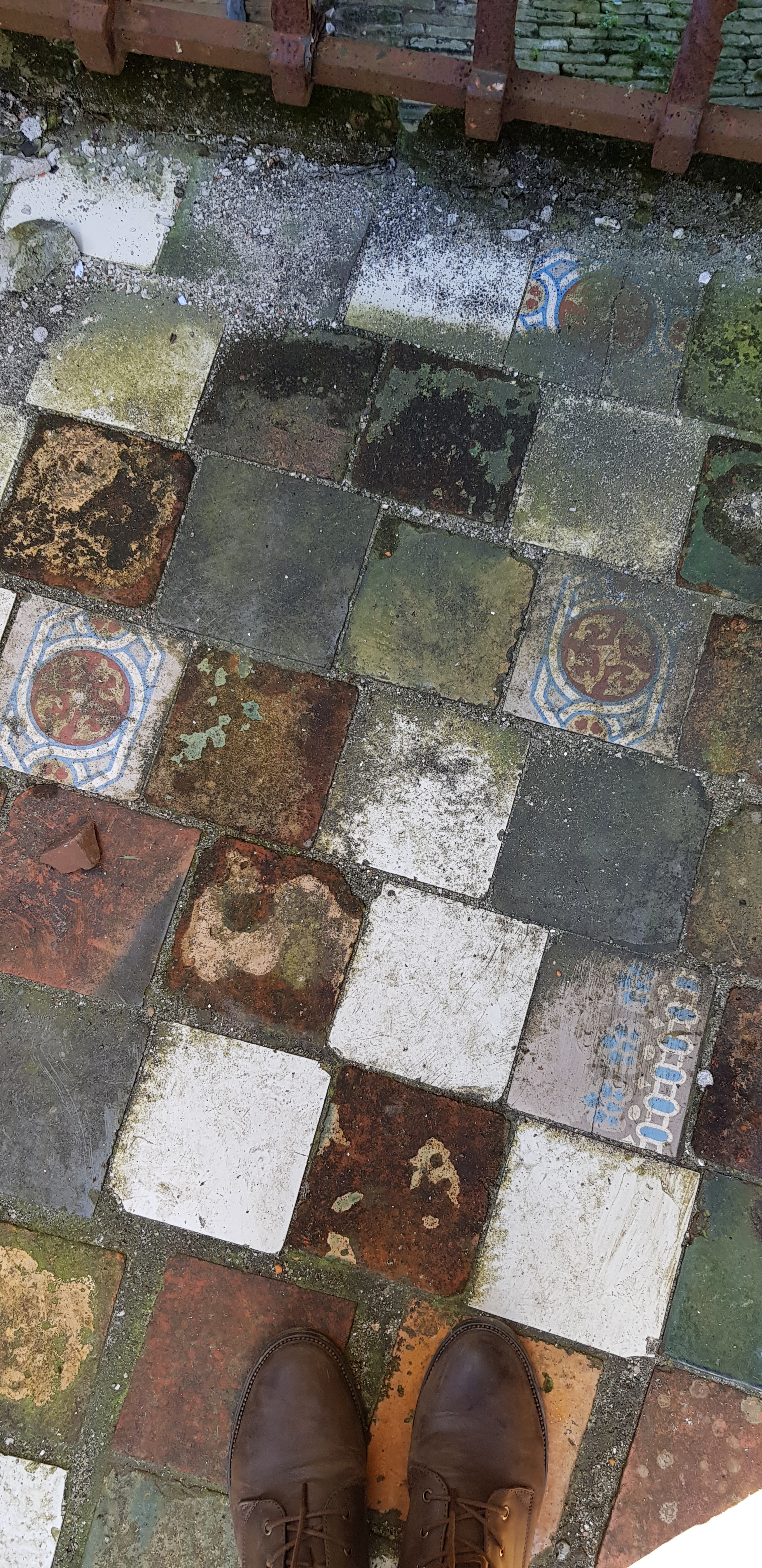
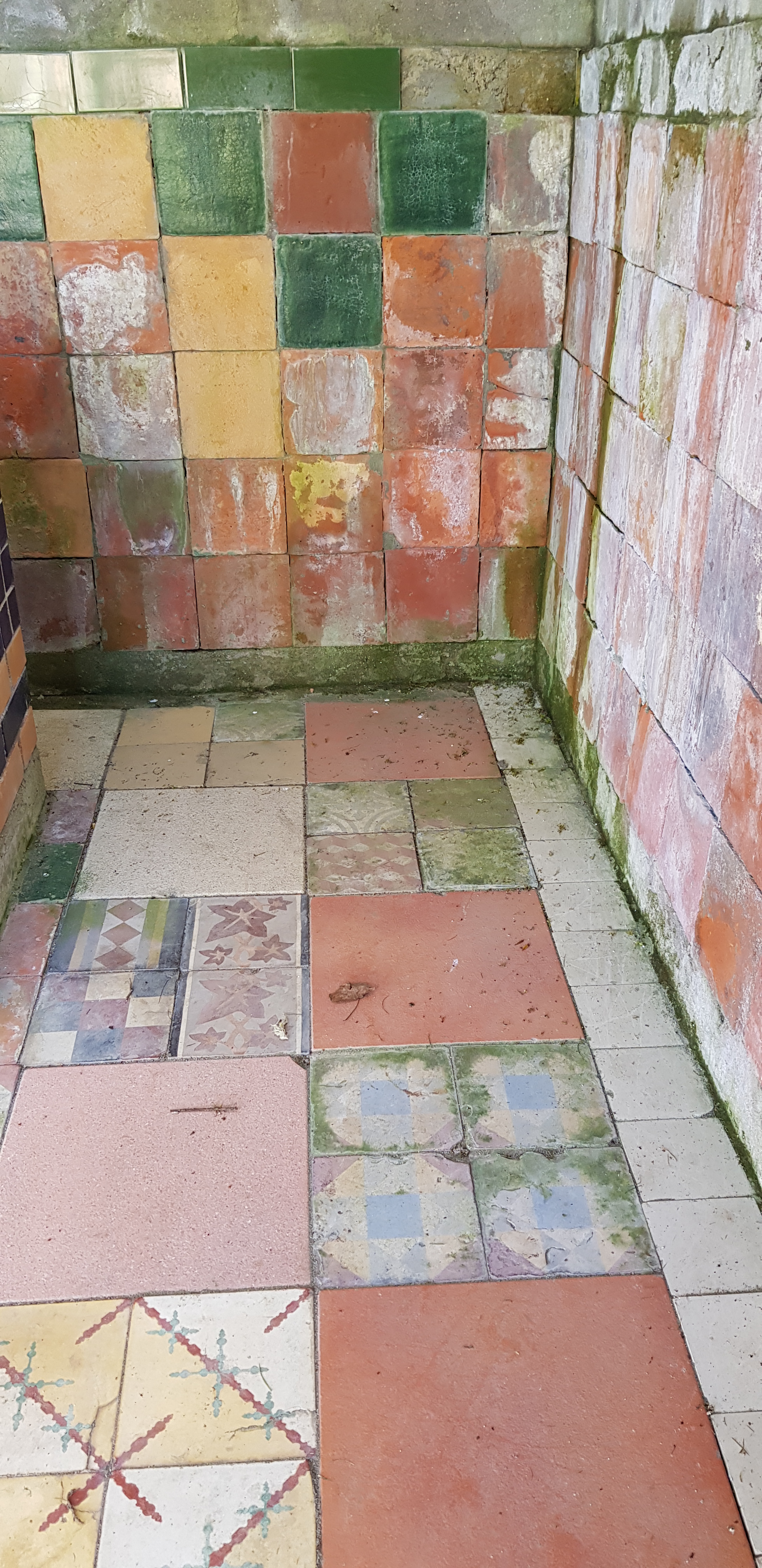
On this 1 hectare of land, Ger Leegwater (in his late 70’s), Mientje and a photogenic rescue rooster, called Gerrie, shares Ger’s love and passion for fantasy, mythology, history and unique craftmanship. Ger takes proud ownership of his knowledge of architecture and the endless creative possibilities of building materials, such as metals, antique Italian tiles and curbs.

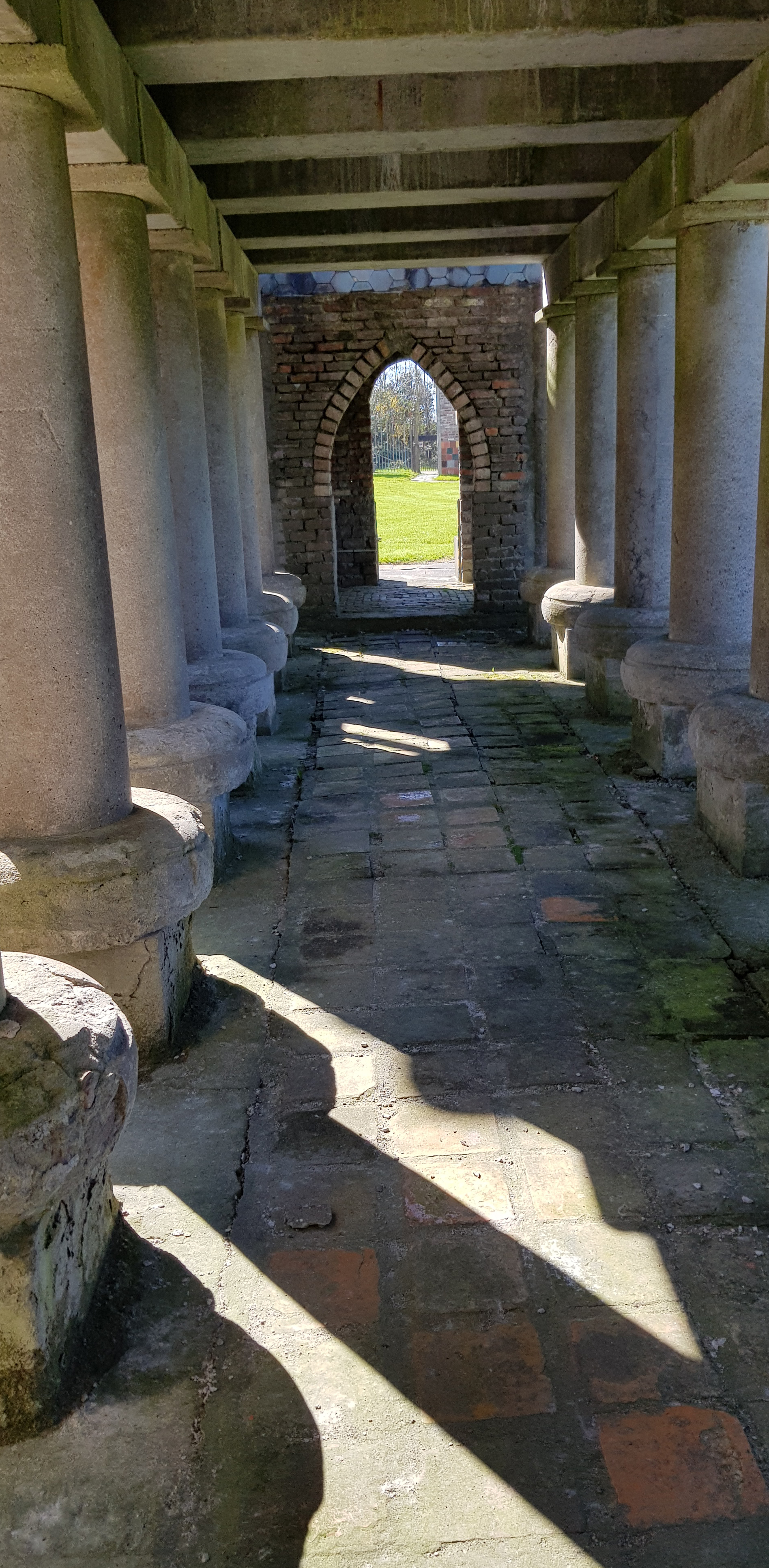
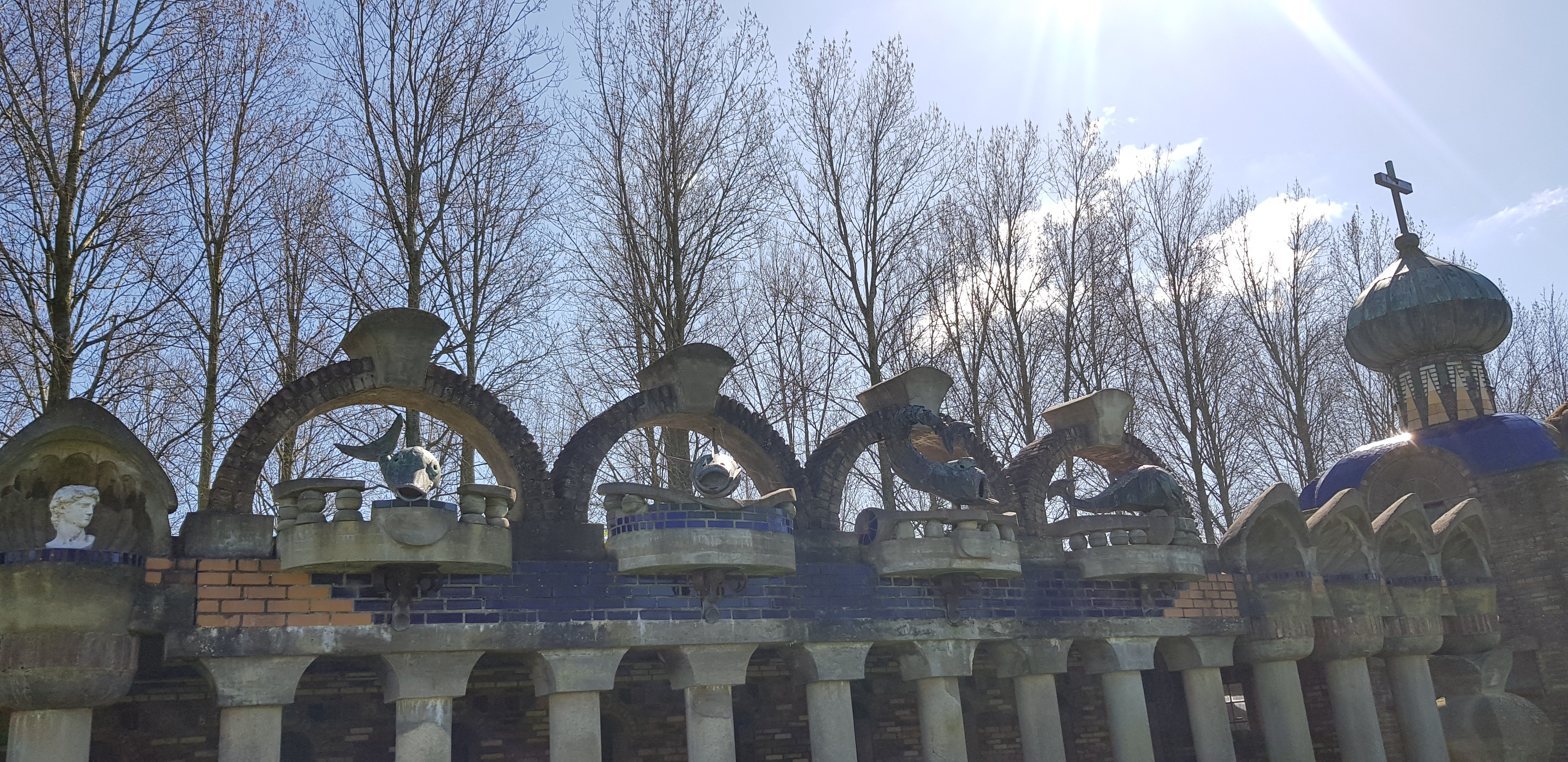
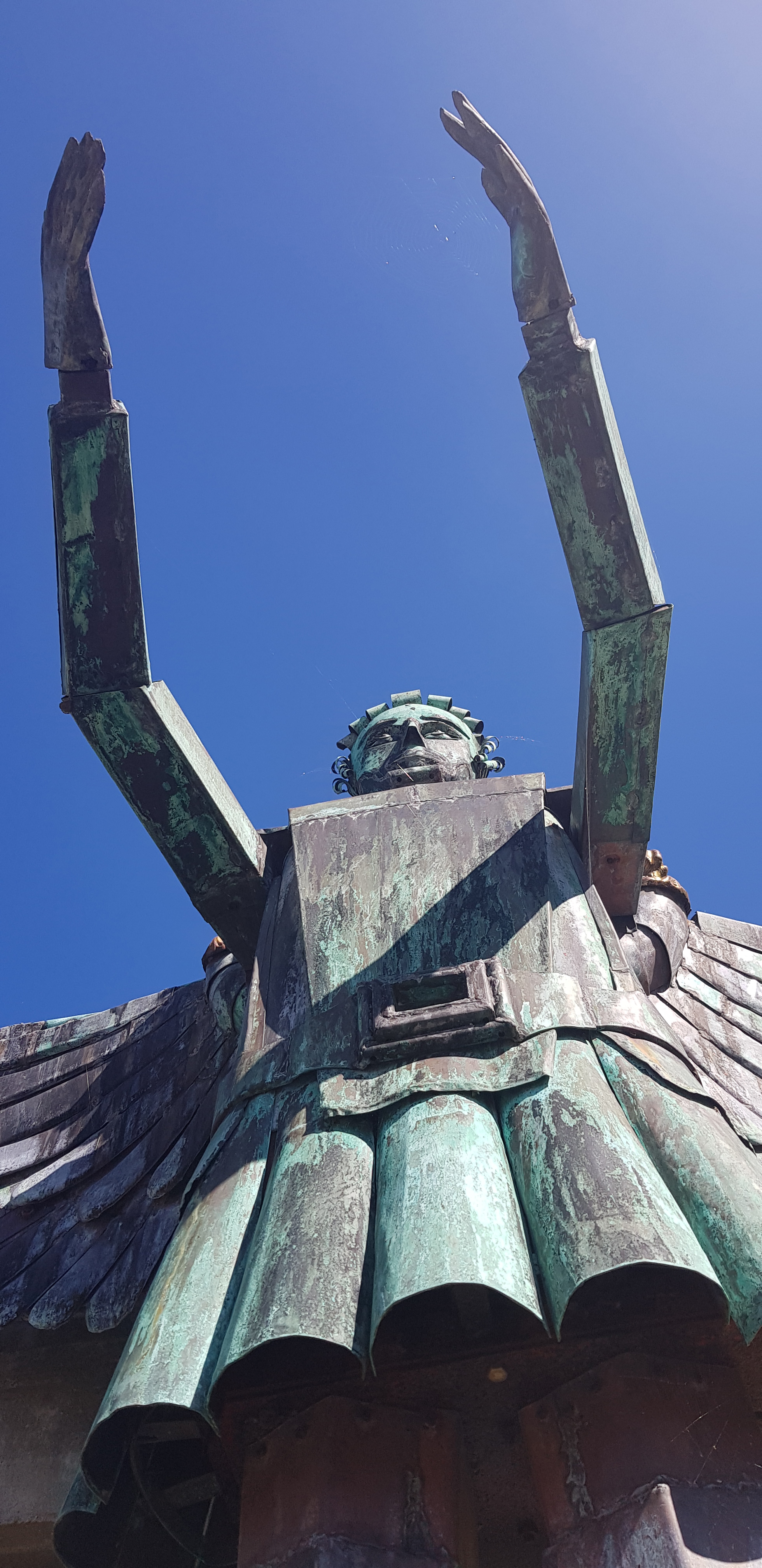
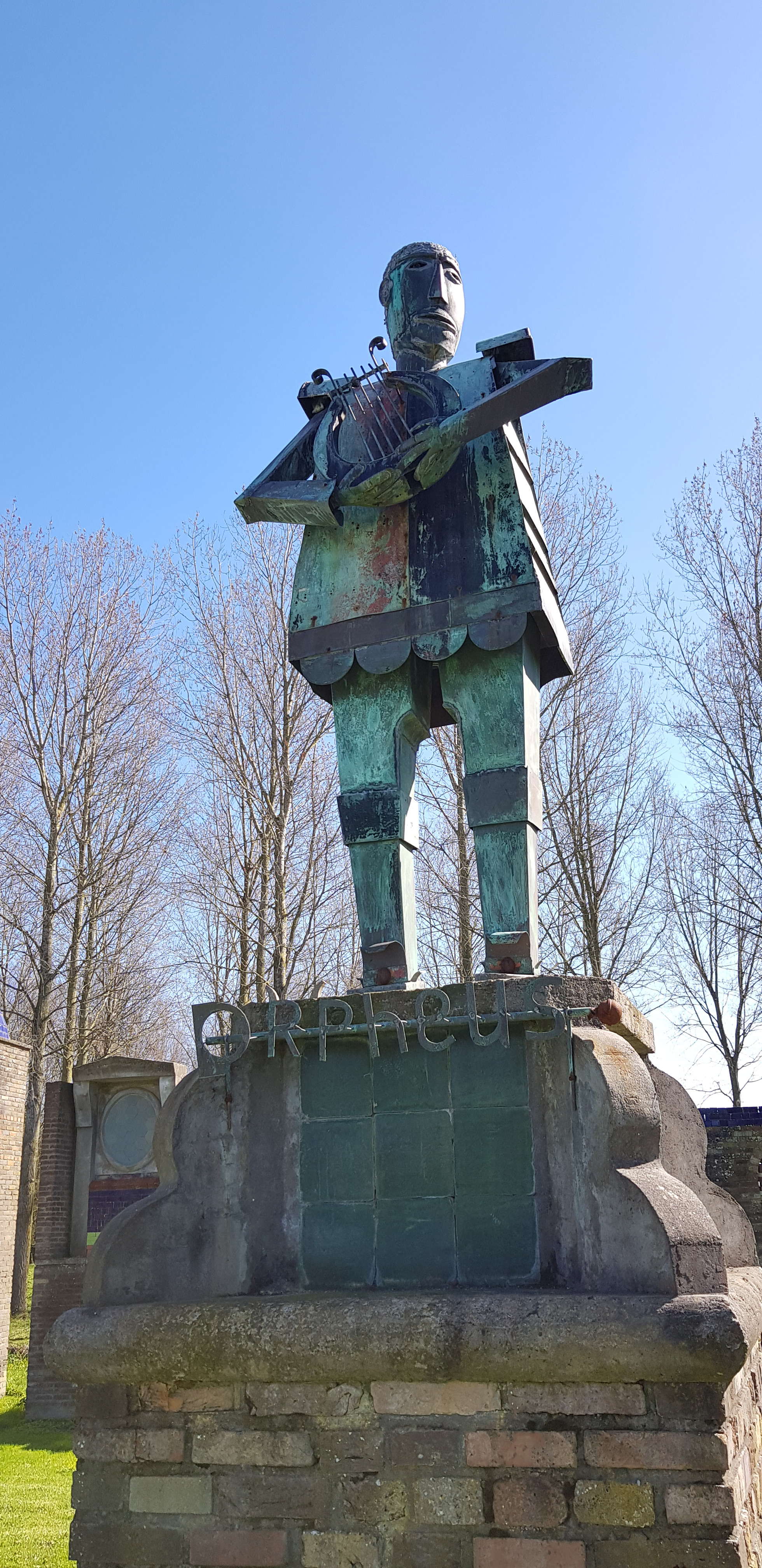
When entering this magical world, you immediately notice the Russian and Italian baroque influence of Bernini, Borromini and Rastrelli in the several buildings on this piece of land: The Michael chapel, Music room, Amphitheatre and the Winter Palace.

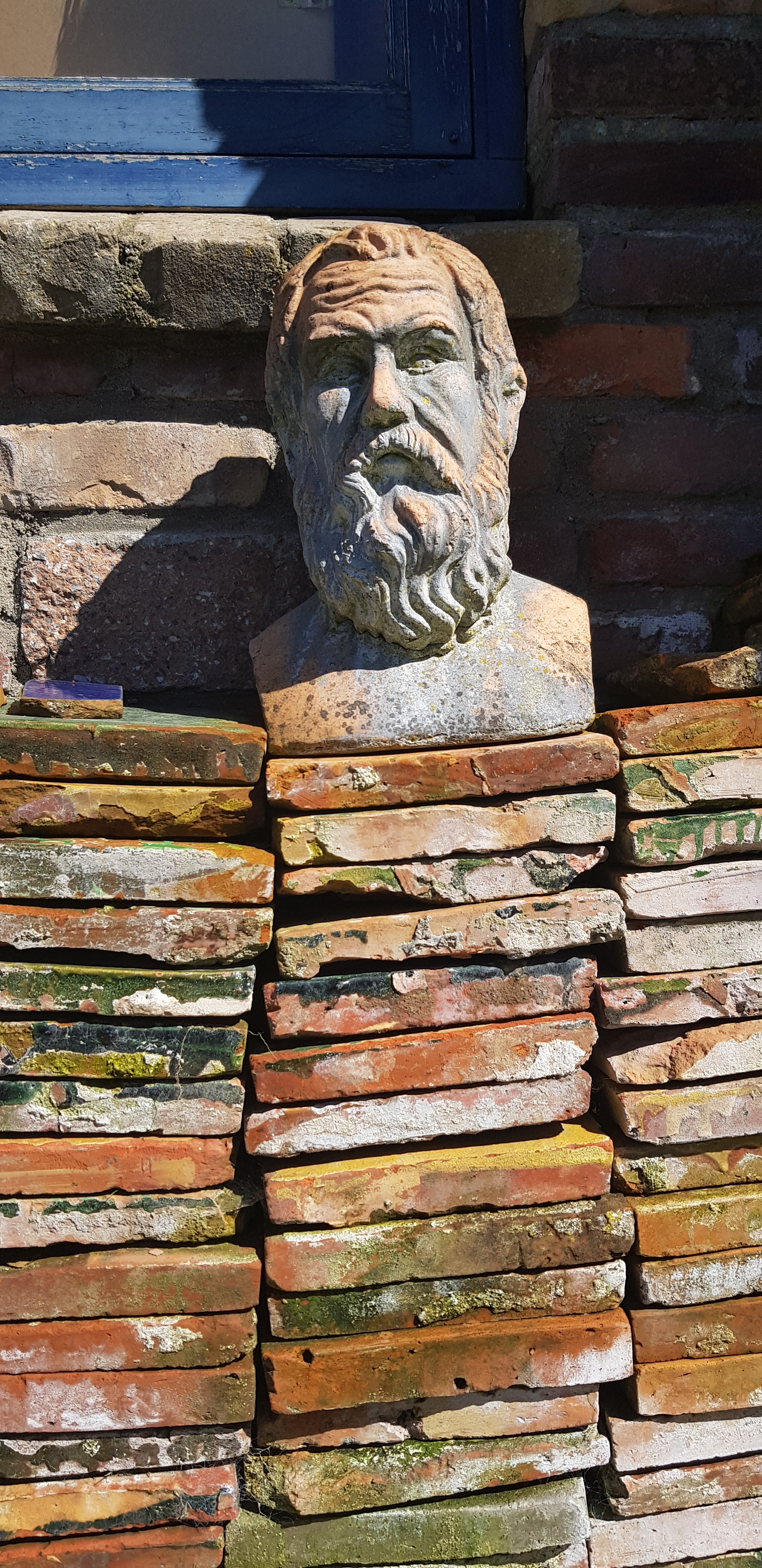
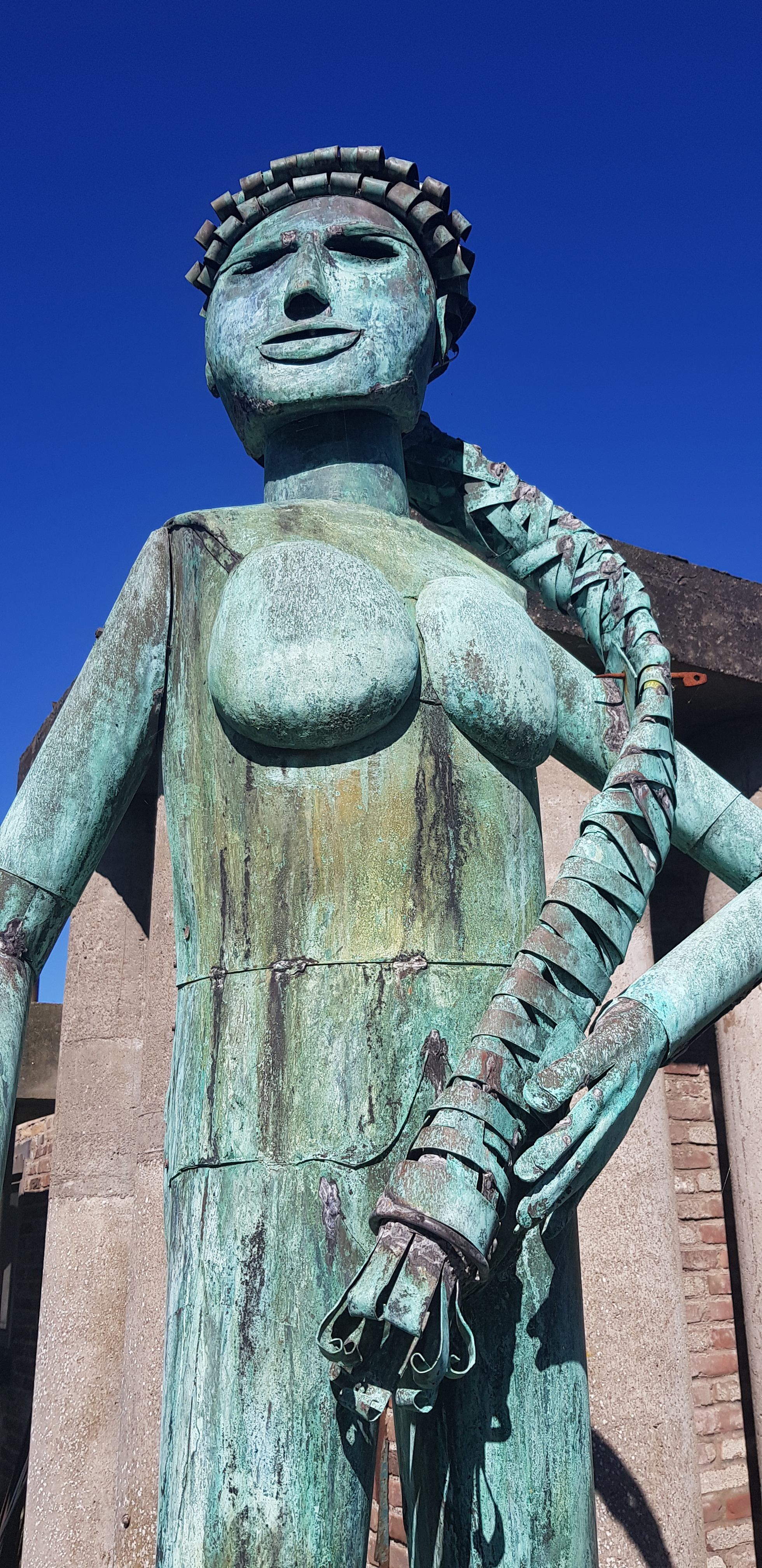
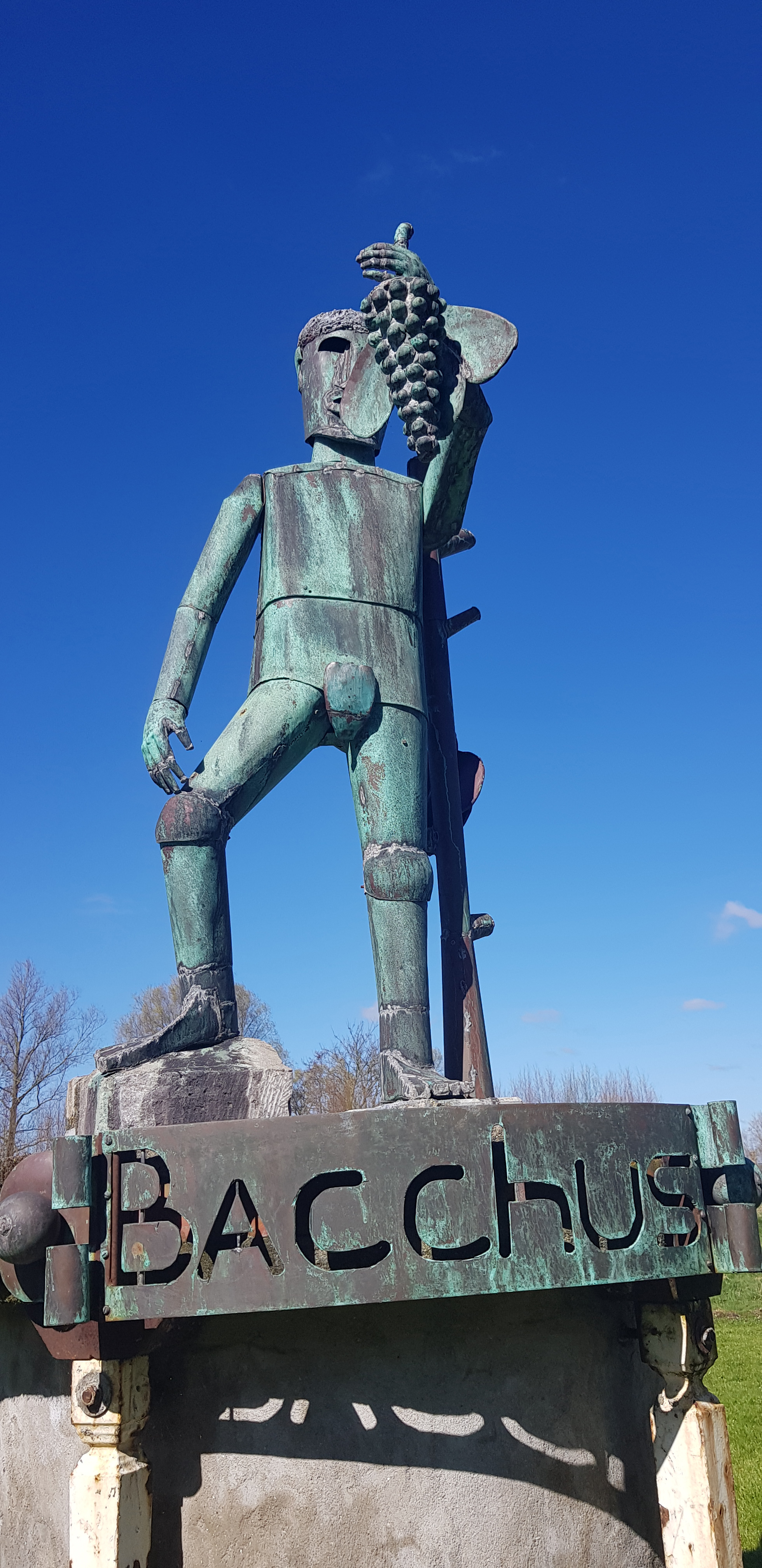
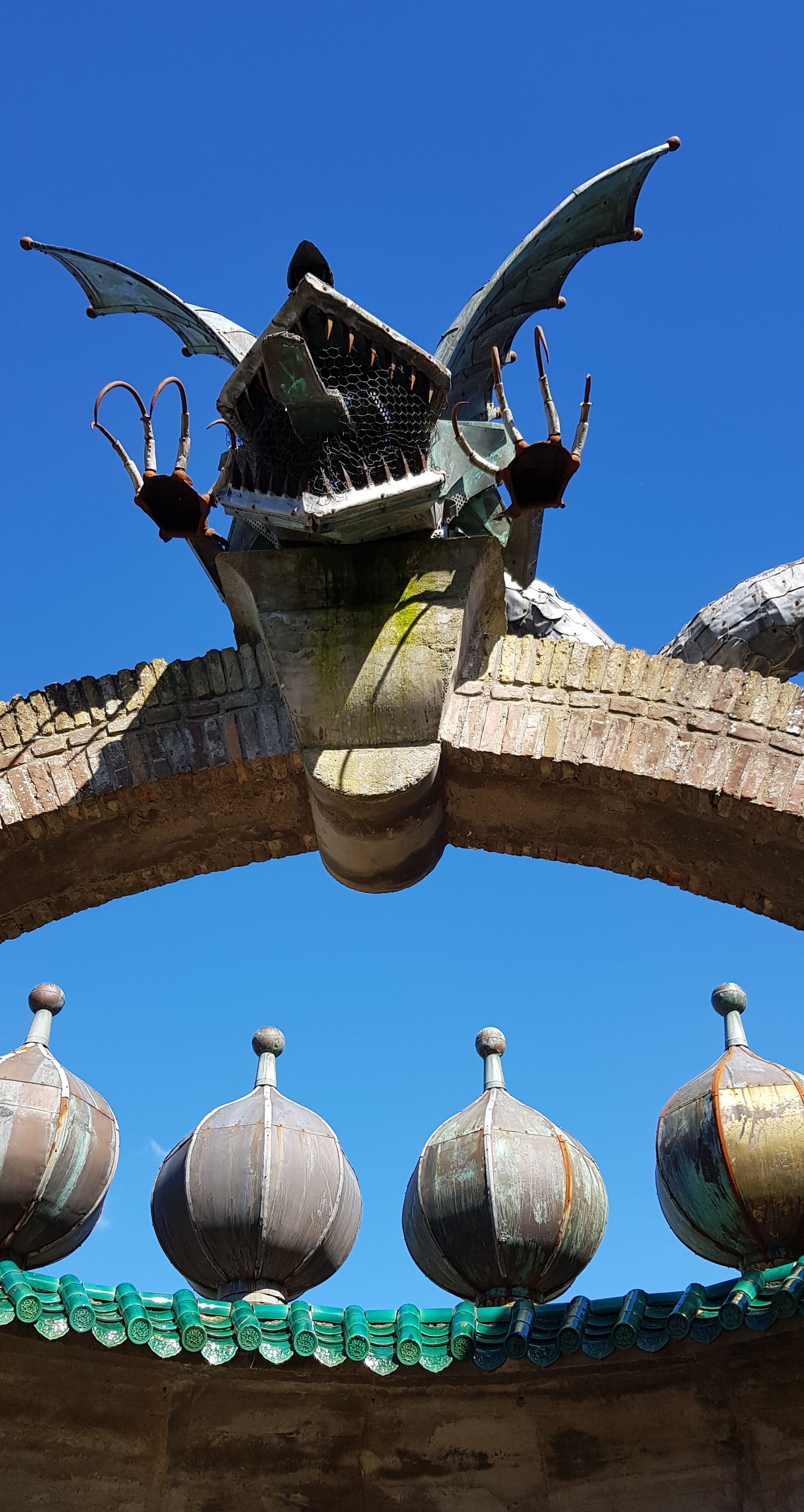
All of these structures are intertwined with mythological and biblical figures that majestically greets you while you wander through the garden.

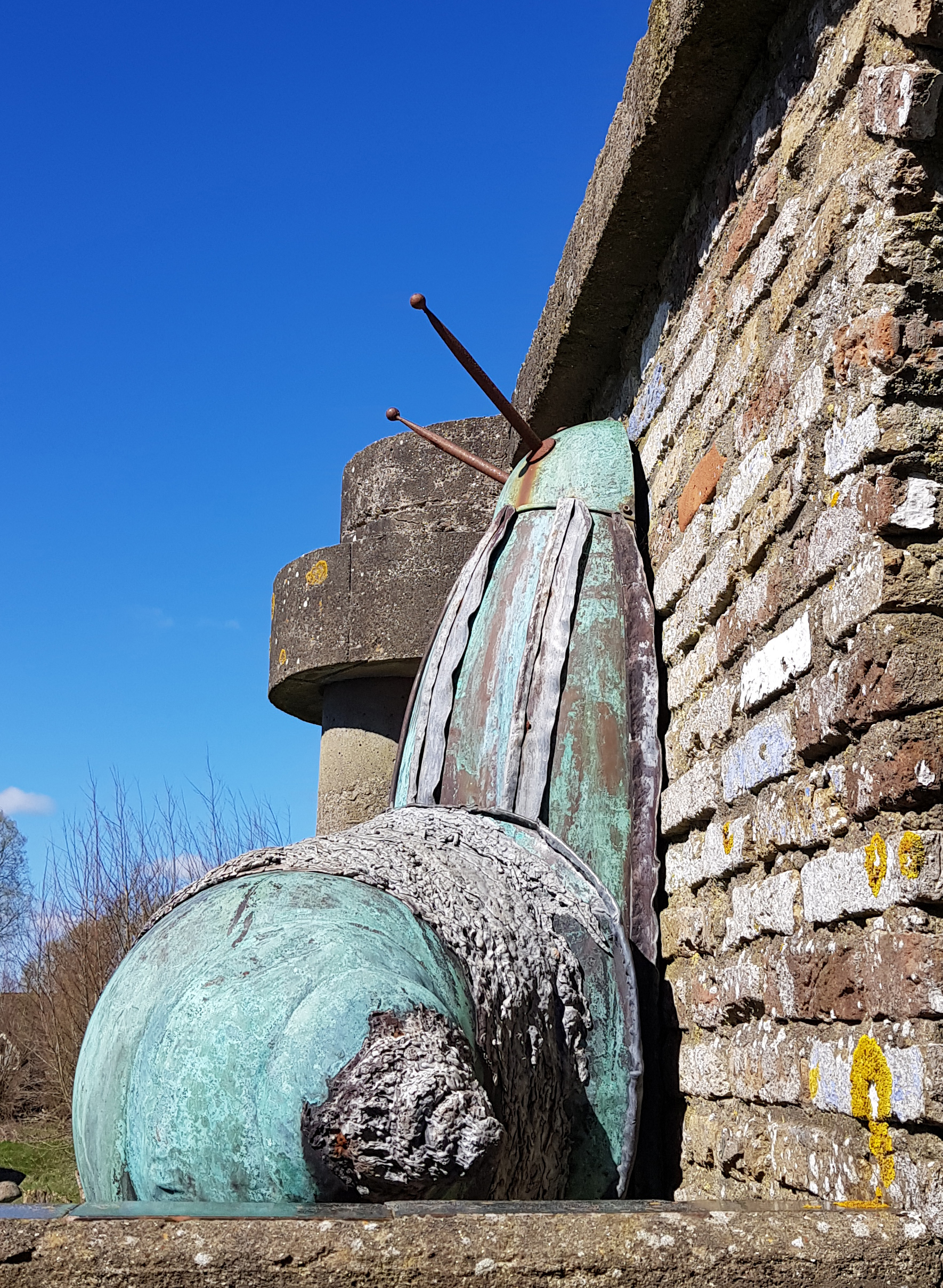
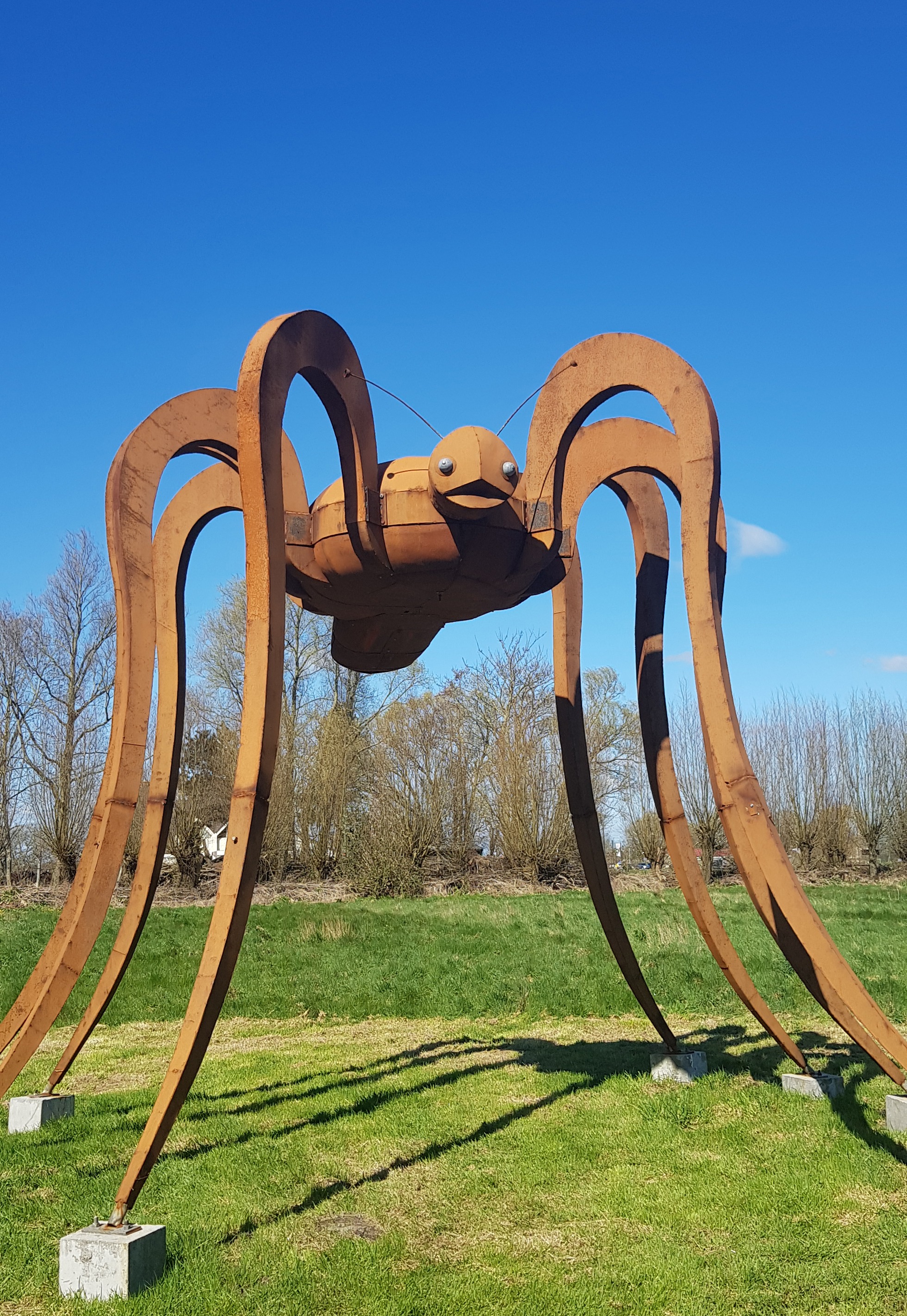
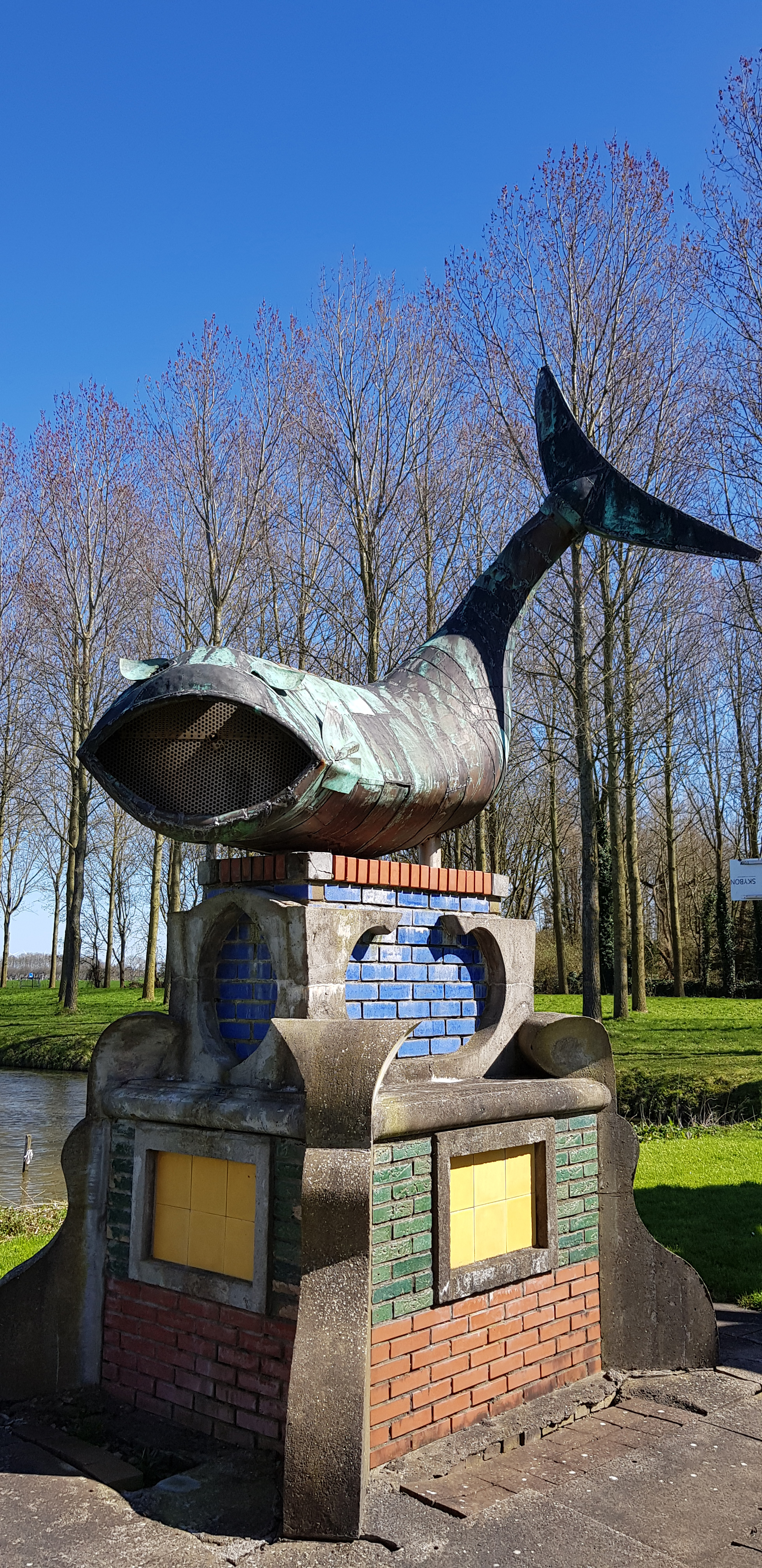
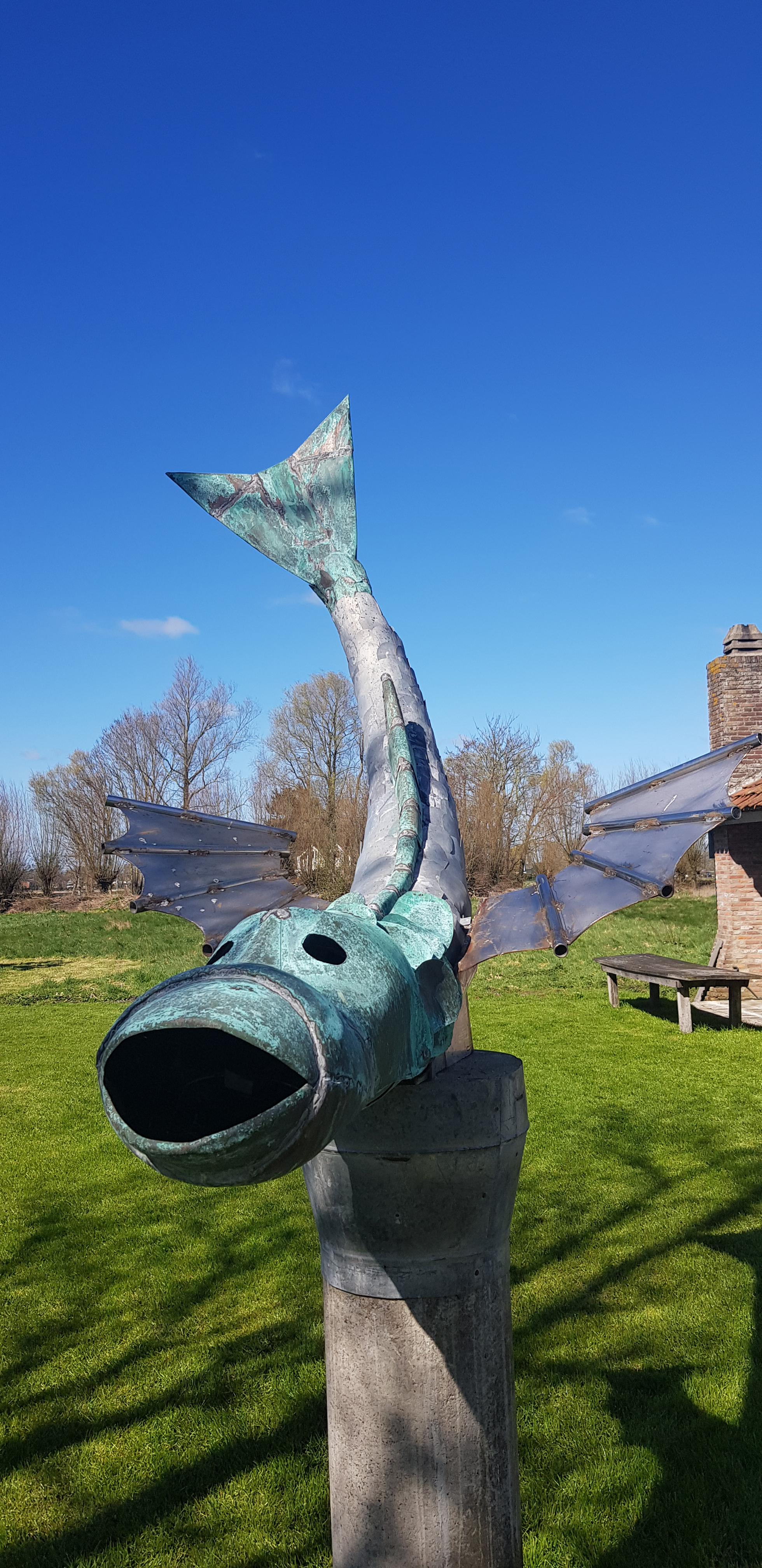
Do not forget about the insects, fish and other beasts that lie beneath these giants like hidden treasures in the most unexpected places.

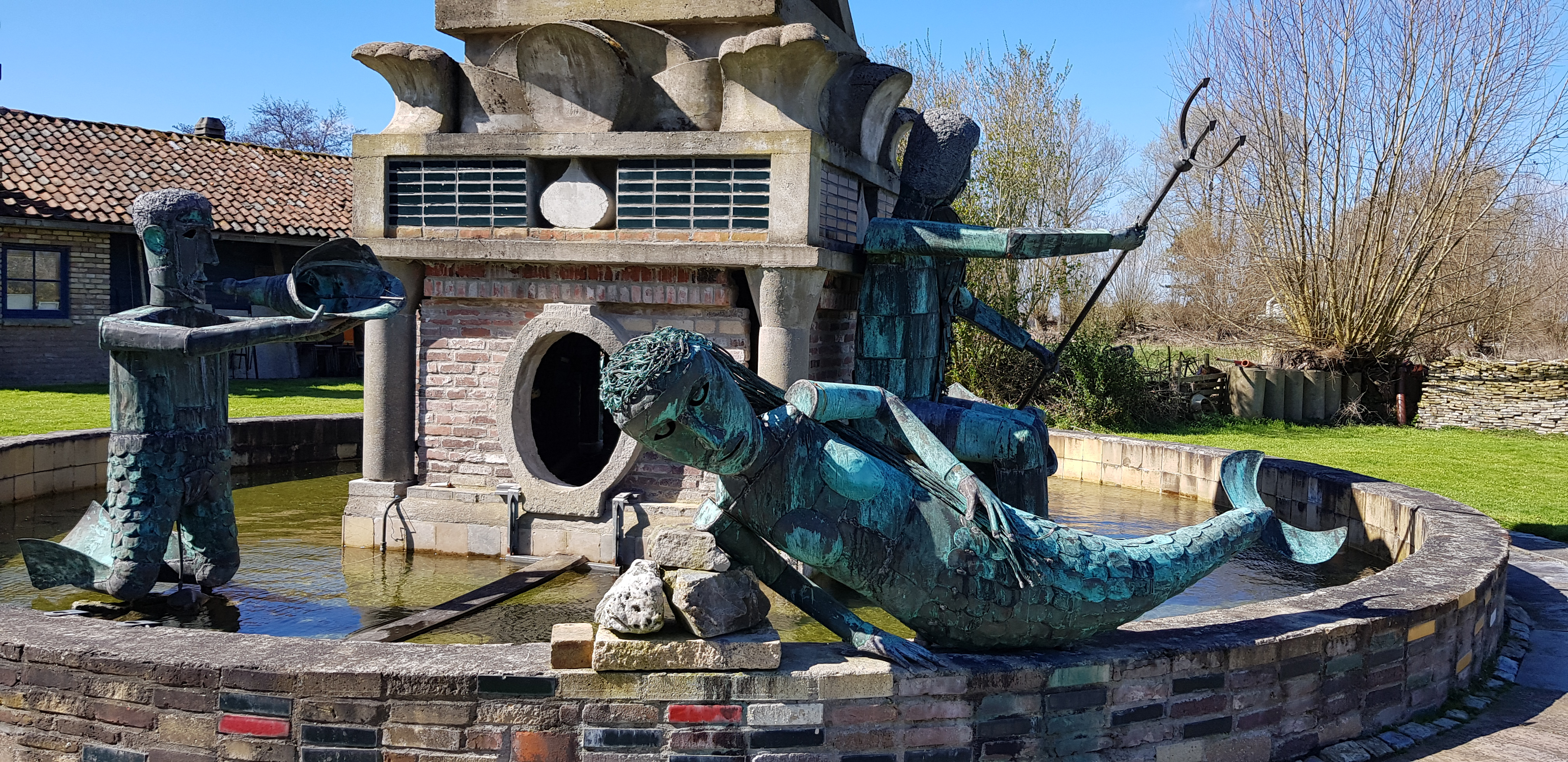
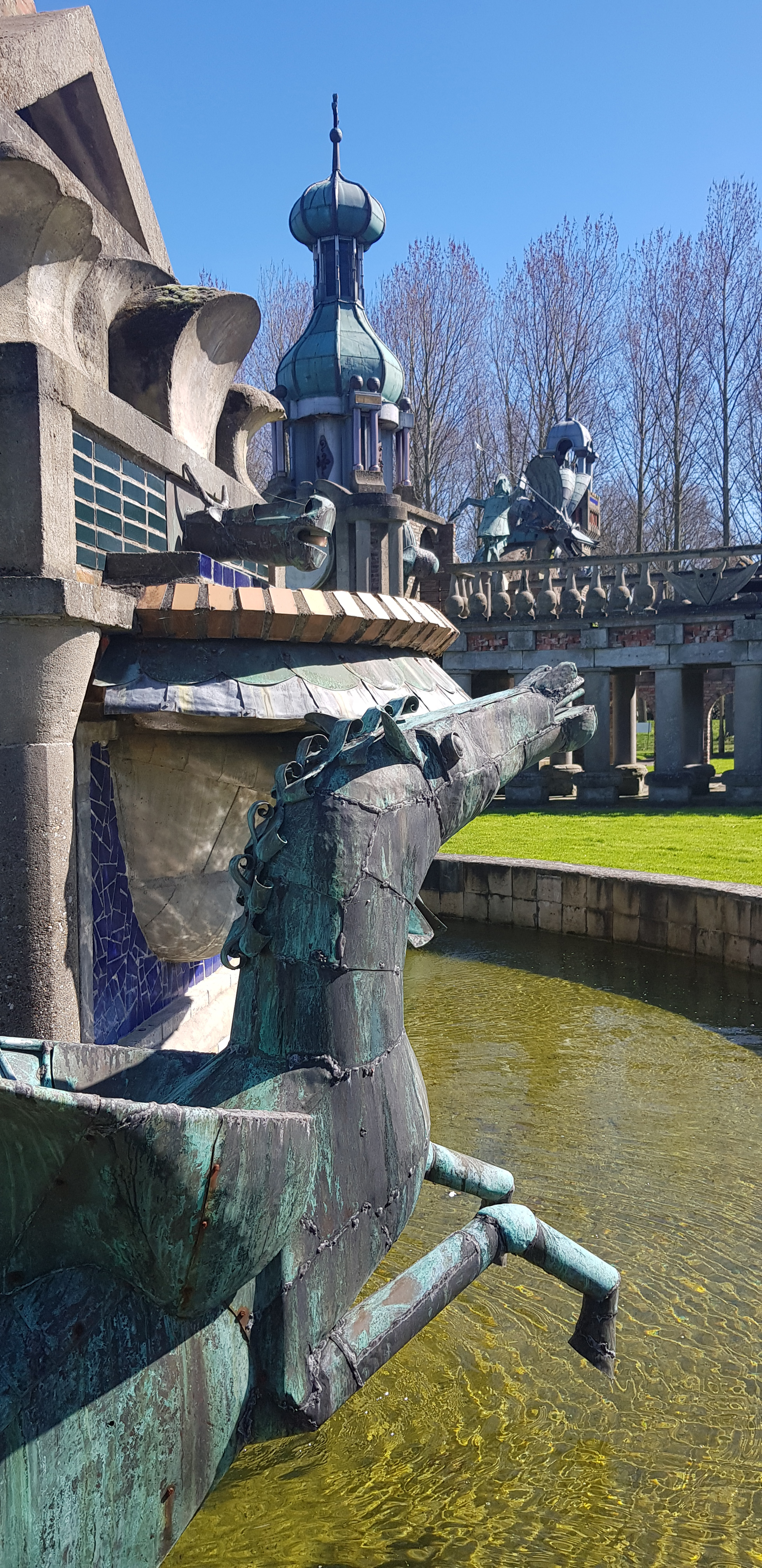
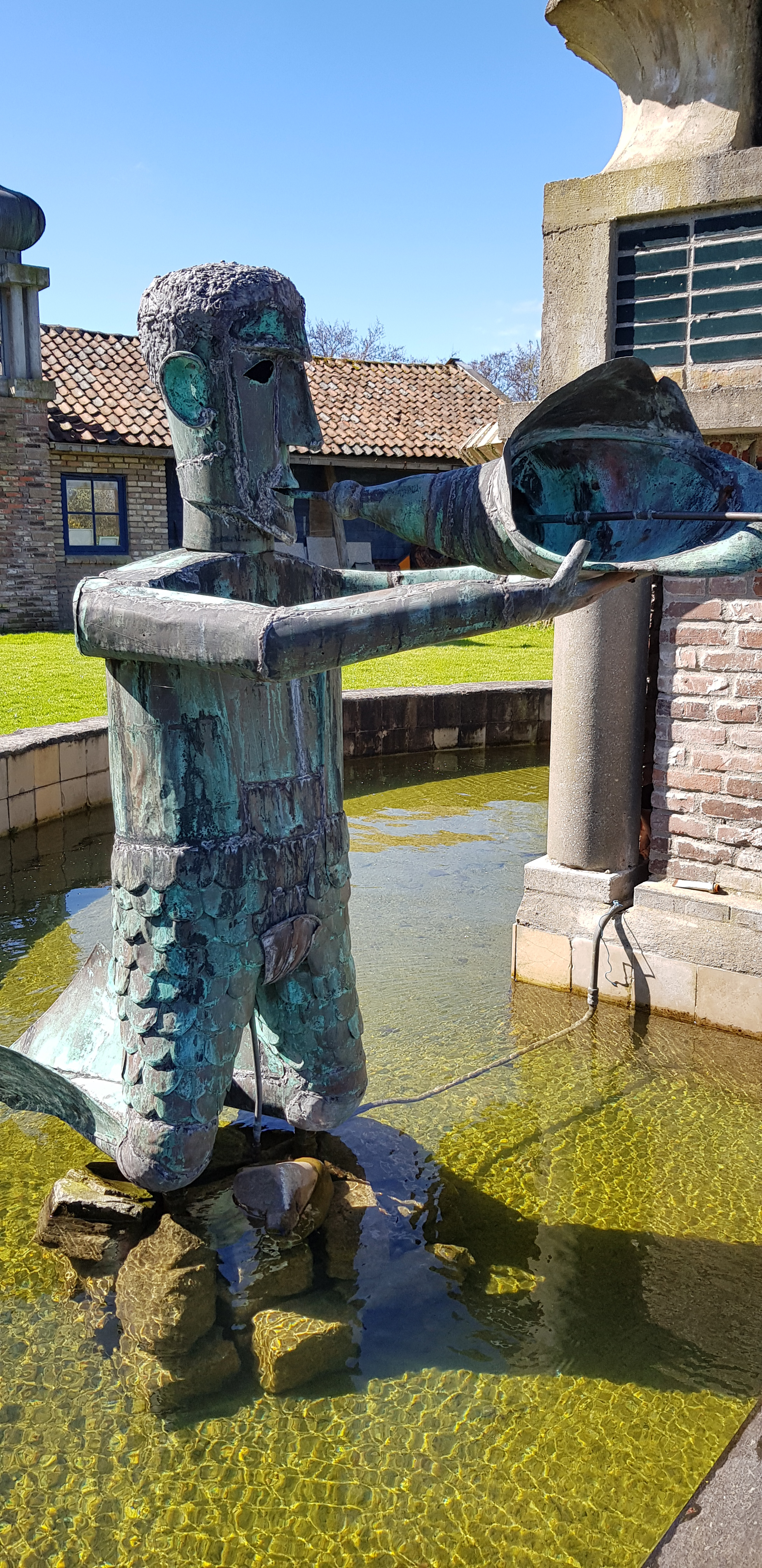
For me the most beautiful structures were the Chapel and the Neptunus fountain. The Neptunus fountain, including its obelisk, Triton and Pegasus was inspired by the Piazza Navona in Rome, Italy and this feature is a spectacular representation of Ger’s craftmanship when it come to the ability to ‘mould’ figures out of metal plates and objects.

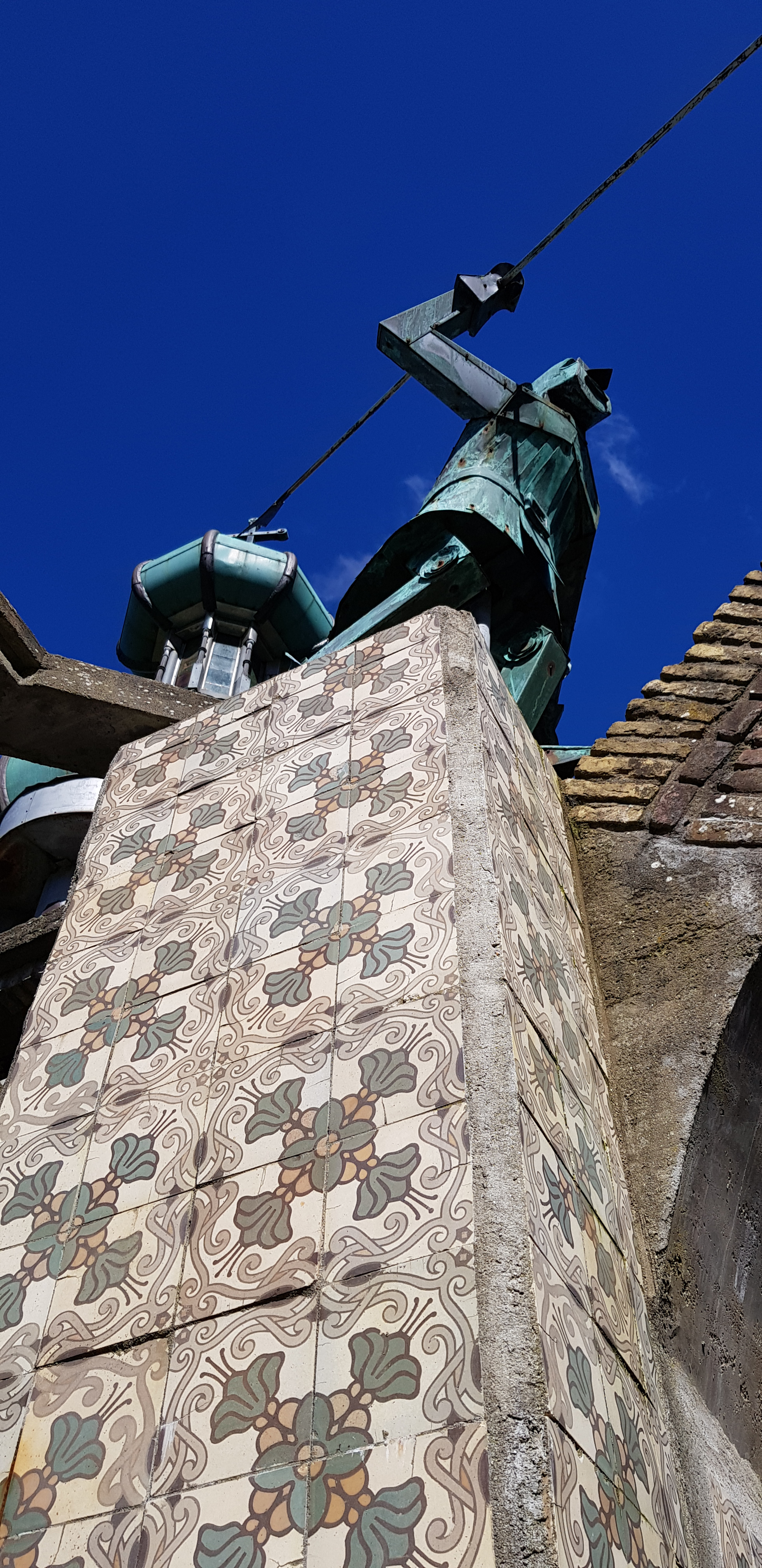
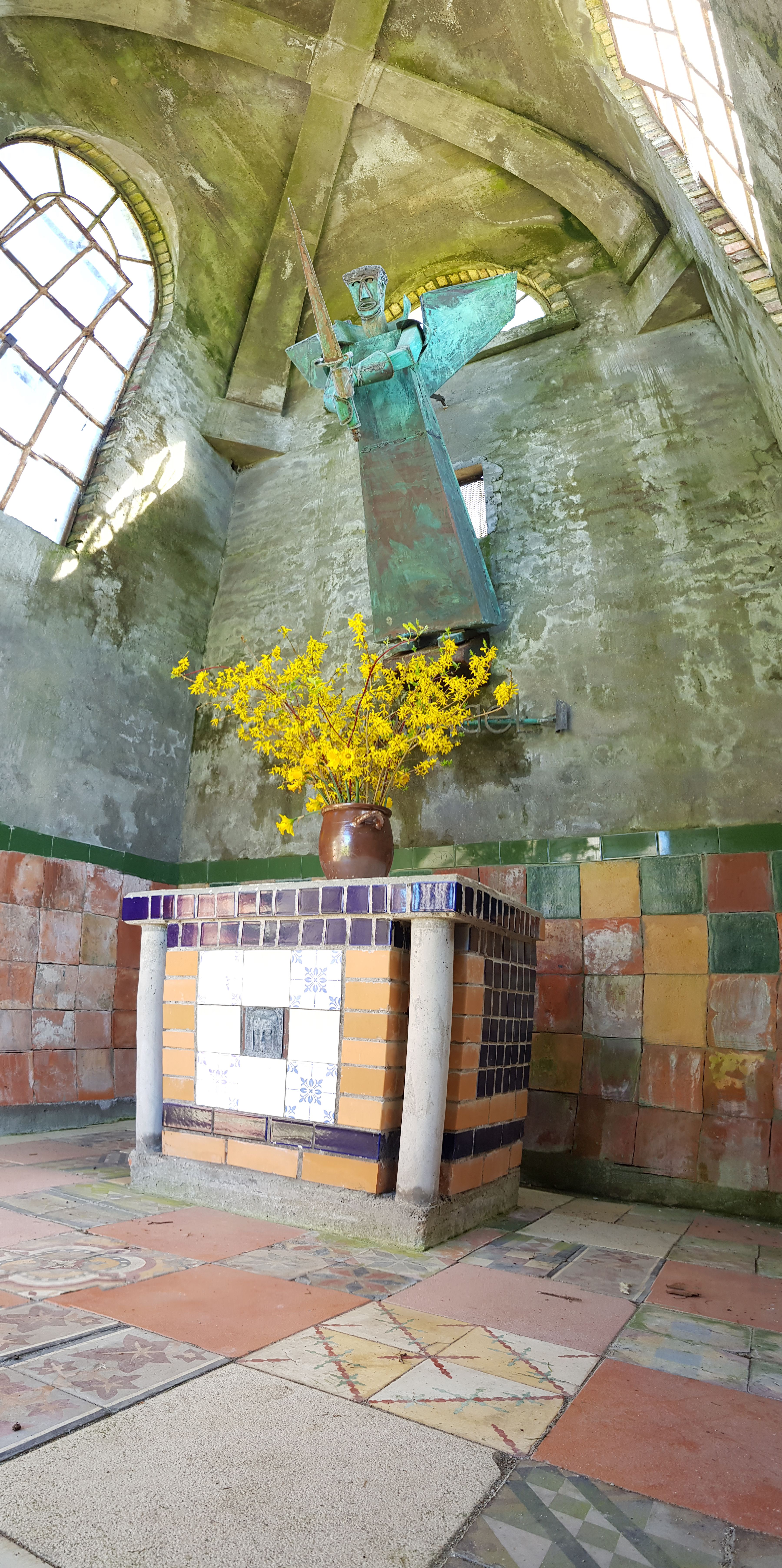
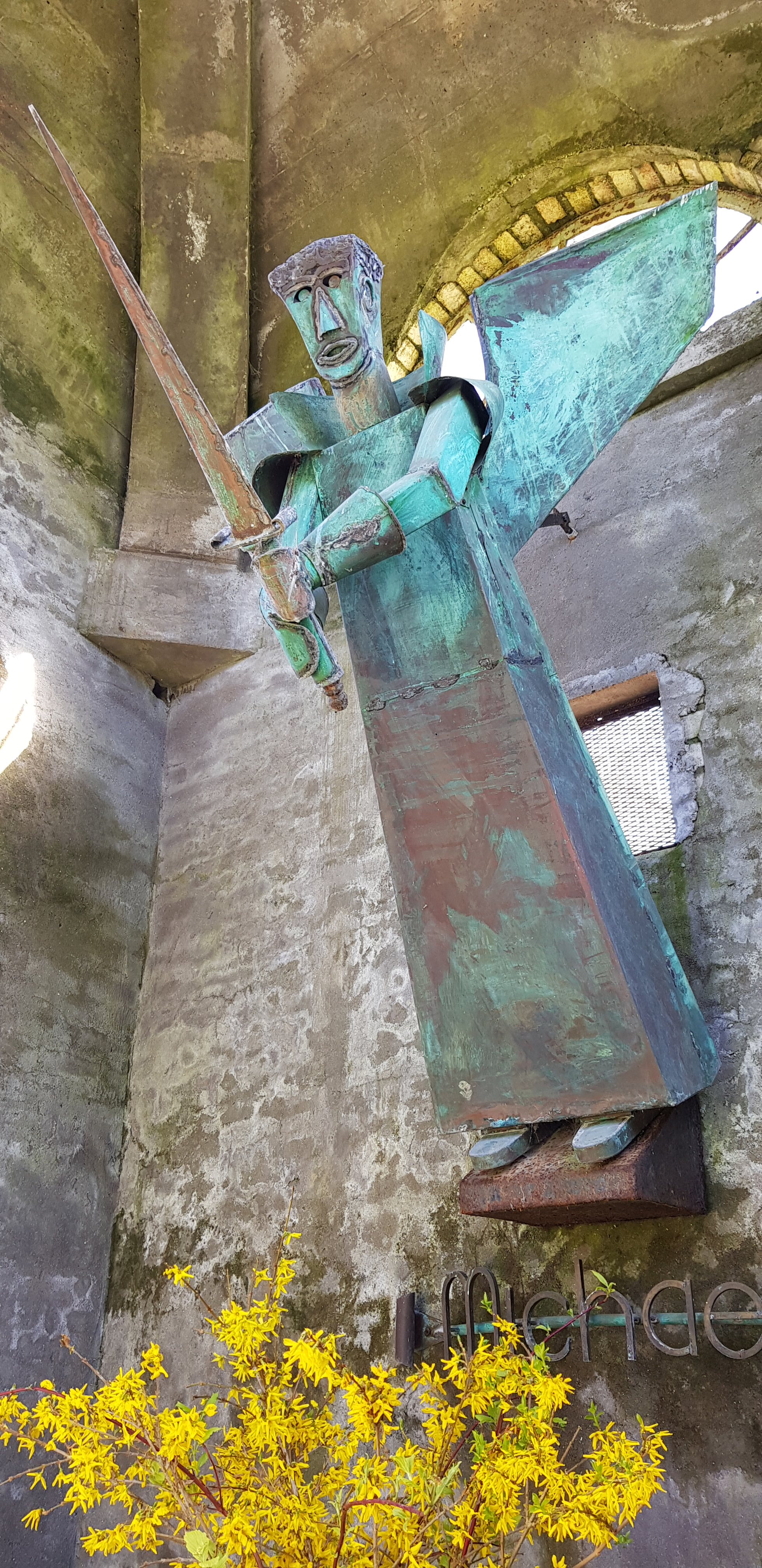
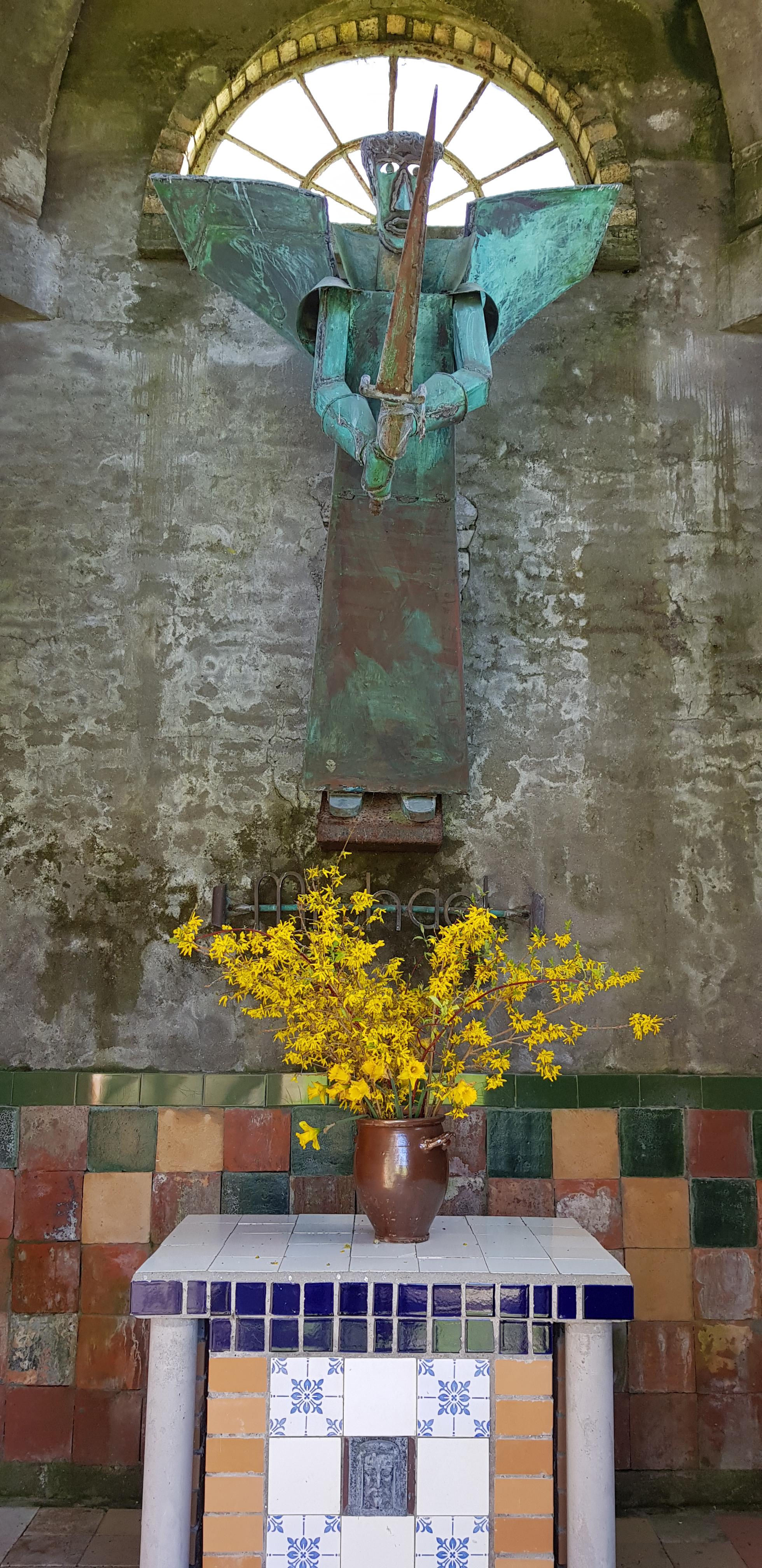
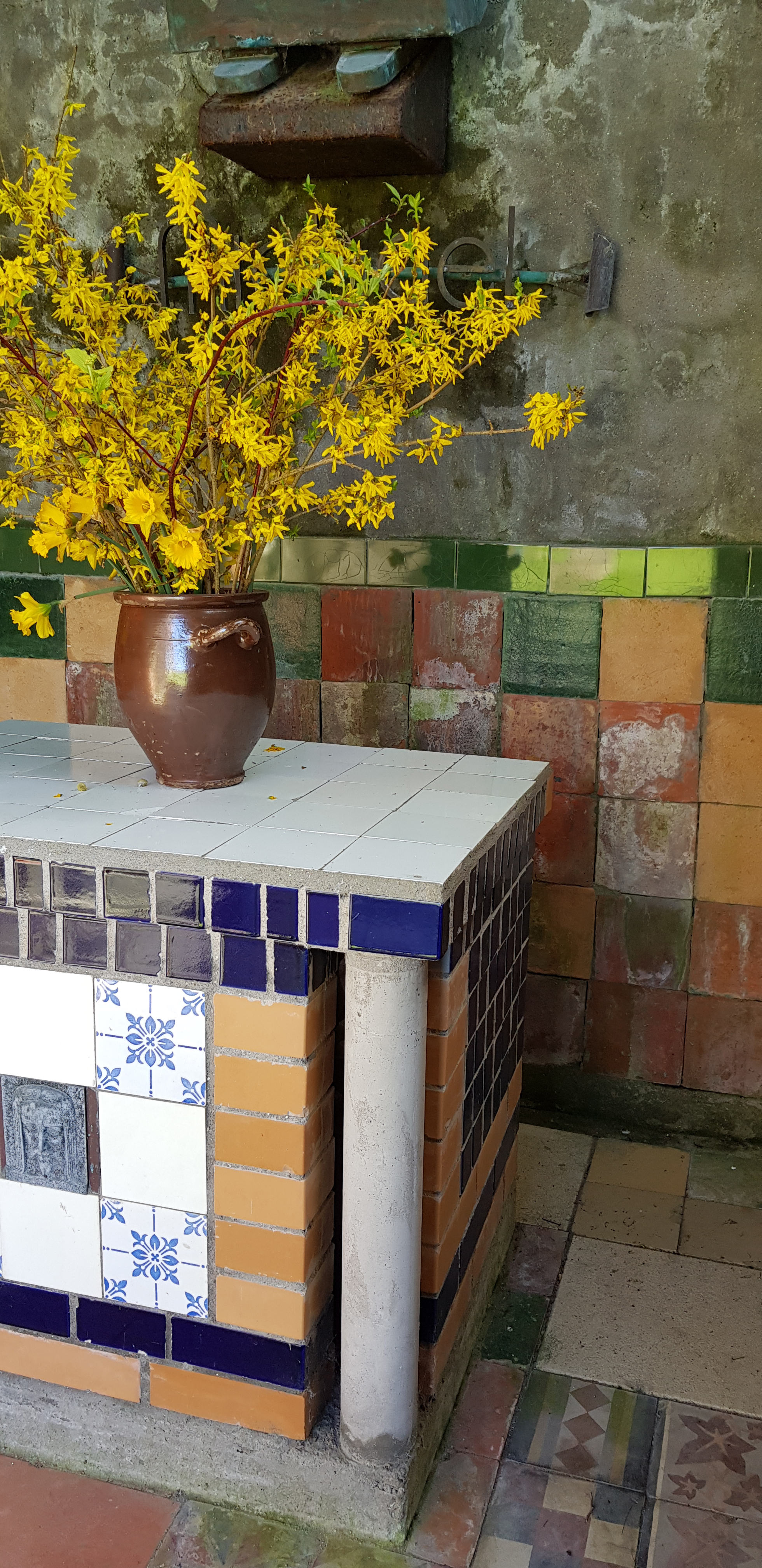
The chapel with Archangel Michael is a breathtaking display of the warm colors of the tiles against the huge turquoise metal angel with its sword, fighting all evil and enemies to protect the people of God.

If you ever visit North-Holland, this hidden architectural and artistic treasure should be on your list.

Please visit their website for more information on opening hours and directions: https://www.kunsttuinnederlandskremlin.nl/